
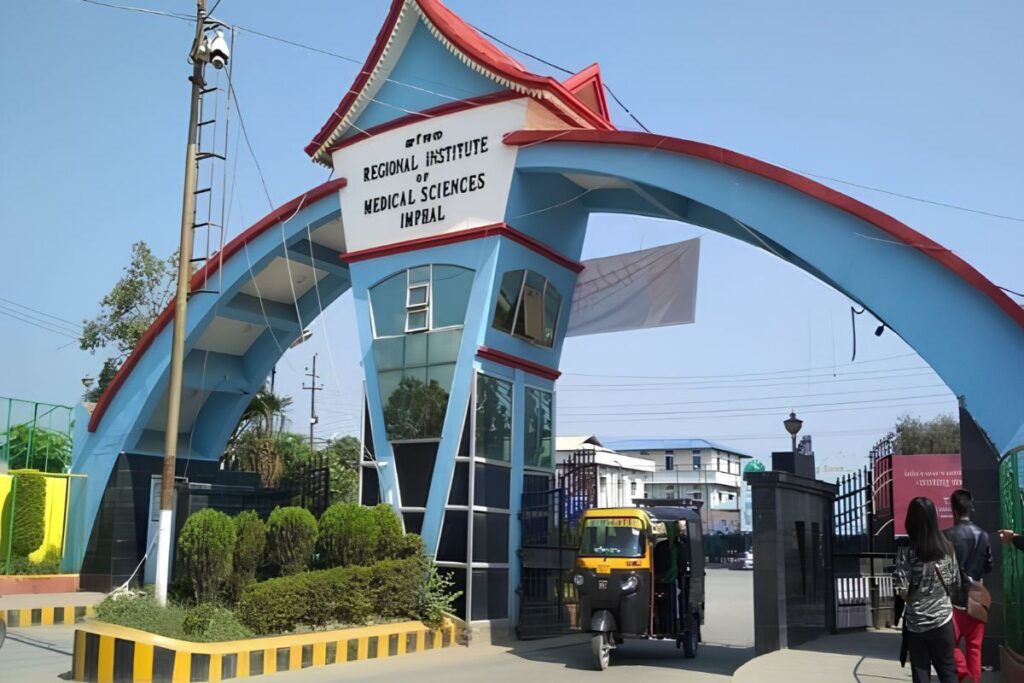
Manipur spurious liquor survivors discharged after the November 2026 Chandel outbreak face delayed optic nerve damage and brain injury caused by formic acid toxicity. While state health schemes fund acute inpatient care and death-related ex-gratia payouts, permanently disabled wage earners receive no automatic financial compensation or local specialist follow-up.
How Many Manipur Spurious Liquor Survivors Remain Unmonitored After Discharge?
Roughly 600 residents across Chandel, Kakching, and Imphal sought hospital evaluation during the November 2026 outbreak, with hundreds discharged into unmonitored home observation after initial triage.
While official state bulletins track acute admissions and the 16 confirmed fatalities, hospital logs compiled by Ukhrul Times and The Print show that most evaluated residents were released without longitudinal neuro-ophthalmic tracking. At Shija Hospitals and Research Institute in Imphal alone, clinicians screened 347 individuals, admitting 81, including nine in intensive care and 23 requiring hemodialysis, while referring 266 to peripheral centers for observation.
At Sub-District Hospital Sugnu, another 121 residents underwent screening on November 21, with 43 symptomatic patients referred to the Regional Institute of Medical Sciences (RIMS) in Imphal.
“We will be referring some patients to other centres while keeping the more critical patients who require life support or hemodialysis here,” Dr. Chetan Khundongbam, Joint Managing Director of Shija Hospitals, told India Today as bed capacity was strained under the surge.
Why Does Formic Acid Cause Blindness Days After Hospital Stabilization?
Delayed vision and movement loss happen because the liver converts methanol, an industrial alcohol solvent used to adulterate illicit liquor, into formic acid over 48 to 96 hours. Even after emergency clinicians stabilize acute blood acidity in intensive care, accumulated formic acid selectively destroys retinal ganglion cells, the optic nerve, and the putamen, a deep brain structure governing motor control.
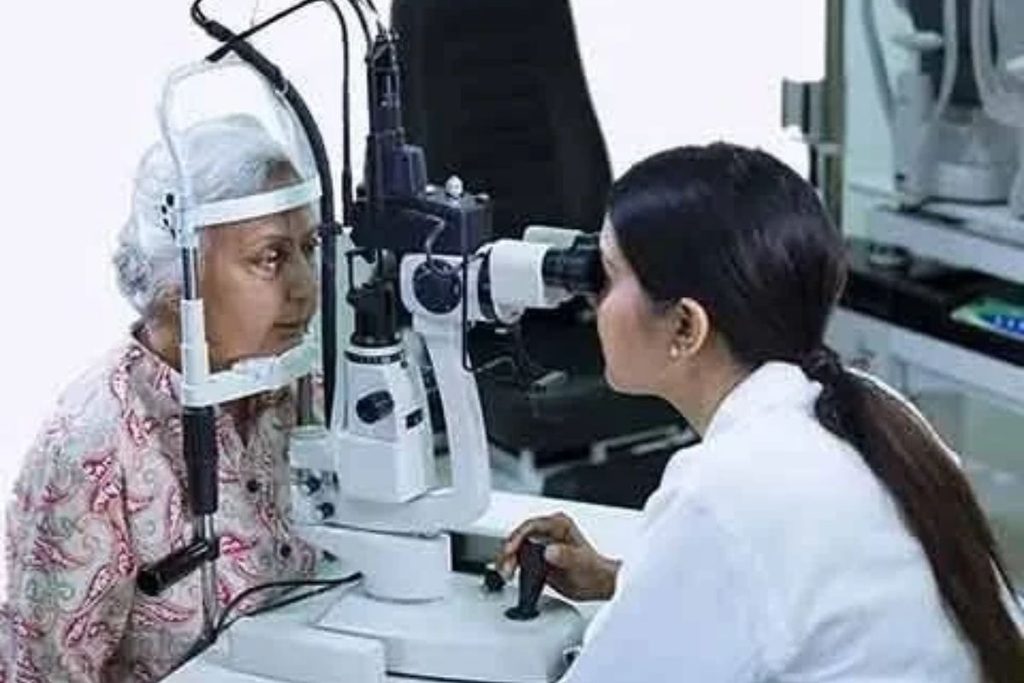
Clinical case documentation published via the National Center for Biotechnology Information (PMC) shows that methanol-induced toxic optic neuropathy, permanent nerve damage to the visual pathway, frequently triggers sudden bilateral visual loss and optic disc pallor, even in patients whose initial blood gas readings appear normal. Survivors cleared from general observation wards remain vulnerable to progressive blindness or movement disorders days after returning home.
Outbreak timelines highlight a critical geographic transfer bottleneck:
- Primary rural intake: Patients from Chakpikarong and surrounding villages first reported to rural facilities, including Community Health Centre Chakpikarong and Sub-District Hospital Sugnu, before requiring referral more than 60 kilometers north to Imphal.
- Triage dilution: A physician at Jawaharlal Nehru Institute of Medical Sciences (JNIMS) noted in The Print that large numbers of asymptomatic residents arrived out of fear alongside severe poisoning cases, complicating early identification of patients inside the narrow antidote window.
Does Manipur Hooch Compensation Cover Survivors With Permanent Disability?
Manipur’s existing statutory relief funds pay for acute inpatient treatment and death-related ex-gratia claims, but offer no automatic lump-sum compensation for survivors left permanently blind or neurologically impaired.
Following hospital visits in Imphal, Chief Minister Yumnam Khemchand Singh assured patients of state medical support and financial assistance, yet authorities have not notified a graded compensation schedule for non-fatal poisoning injuries. An audit of Manipur’s relief statutes exposes a sharp financial cliff:
- Discretionary medical ceilings: Under the Manipur Chief Minister’s Special Assistance Fund Rules, 2022, one-time medical grants for indigent patients are capped at ₹50,000 for treatment costs up to ₹1 lakh, rising to a maximum ceiling of ₹1 lakh for bills exceeding ₹1.5 lakh, and explicitly bar recurring support.
- Inpatient-only health coverage: State-backed insurance under Chief Minister-gi Hakshelgi Tengbang (CMHT) and the Manipur State Illness Assistance Fund (MSIAF) covers cashless inpatient hospitalization and dialysis at empaneled facilities like RIMS and JNIMS. Neither scheme replaces lost household wages or funds outpatient neuro-ophthalmic rehabilitation after discharge.
How Does Disability Certification Delay Income Support in Chandel?
Newly blinded or neurologically impaired survivors in Chandel cannot access monthly state disability pensions until they complete a multi-step Unique Disability ID (UDID) evaluation, a biometric and medical certification card issued under federal disability law, which requires clinical stabilization before a medical board can grade permanent impairment.
The financial shock falls disproportionately on agricultural and daily-wage households in Chandel, a hill district bordering Myanmar. Initial casualty rosters released by police and reported by AsiaNews identified multiple working-age men from Anāl tribal villages, including residents aged 32, 46, and 50, among the earliest fatalities.
Without an automatic ex-gratia tier for non-fatal poisoning victims, a survivor left legally blind must apply for certification under the Manipur Rights to Persons with Disabilities Rules, 2018.
Federal circulars on the Department of Empowerment of Persons with Disabilities UDID Portal mandate Aadhaar e-KYC authentication and formal medical board assessment before certification is granted. During the mandatory stabilization waiting period following acute poisoning, impaired breadwinners remain excluded from disability recognition and state pension disbursements.
What Follow-Up Care Exists Once Patients Return to Chandel?
Chandel district has zero stationed neurology or tertiary ophthalmic diagnostic facilities, forcing discharged survivors to fund a 120-kilometer round trip to Imphal for specialist eye and brain evaluations.
While the Manipur government dispatched an emergency medical team with essential medicines to Chandel during the acute outbreak, as reported by FBC News / Reuters, local health centers remain equipped only for primary triage. State health empaneled hospital directories published by the State Health Agency Manipur list District Hospital Chandel, Community Health Centre Chakpikarong, and Sub-District Hospital Sugnu for general multi-specialty care, while tertiary nephrology, neurology, and advanced ophthalmic services remain concentrated in Imphal East and Imphal West.
“As of this moment, medical professionals at the District Hospital, Chandel, are ever ready to serve our people. I appeal to everyone, especially those who are suspicious of their health, to visit the district hospital and have themselves checked up,” Chandel MLA S.S. Olish stated in an appeal reported by Ukhrul Times.
Until the Manipur Directorate of Health Services establishes a dedicated longitudinal ophthalmology and neurology screening registry for all ~600 evaluated residents, survivors experiencing delayed optic nerve atrophy must travel to Imphal at their own expense to document injuries that state compensation rules do not yet recognize.
Frequently Asked Questions
How many people were affected by the November 2026 Manipur spurious liquor poisoning?
According to state health and hospital updates compiled by Ukhrul Times and The Print, the November 2026 Chandel outbreak killed 16 people and prompted roughly 600 residents across Chandel, Kakching, and Imphal to seek hospital evaluation. At Shija Hospitals and Research Institute in Imphal alone, doctors screened 347 patients and admitted 81, including 23 who required hemodialysis.
Why can methanol poisoning cause blindness days after hospital discharge?
The human liver metabolizes methanol into formic acid over 48 to 96 hours, which selectively destroys retinal ganglion cells, the optic nerve, and the putamen in the brain. Clinical documentation from the National Center for Biotechnology Information (PMC) confirms that toxic optic neuropathy can cause sudden bilateral vision loss days later, even in patients whose initial blood gas tests appeared normal.
Does the Manipur government compensate spurious liquor survivors who go blind?
No automatic ex-gratia compensation tier exists for non-fatal poisoning disability in Manipur. Under the Manipur Chief Minister’s Special Assistance Fund Rules, 2022, one-time medical grants are capped at ₹50,000 to ₹1 lakh exclusively for inpatient treatment bills, while schemes like Chief Minister-gi Hakshelgi Tengbang (CMHT) cover cashless hospitalization without replacing lost wages or funding outpatient rehabilitation.
Where can Chandel survivors get specialist eye or brain follow-up care?
Tertiary neurology and advanced ophthalmic care are concentrated in Imphal East and Imphal West rather than Chandel district. According to the State Health Agency Manipur empaneled hospital directory, District Hospital Chandel, CHC Chakpikarong, and Sub-District Hospital Sugnu provide only general multi-specialty care, requiring survivors to travel 120 kilometers round trip to Imphal for specialist evaluations.

Praseetha K
Praseetha K is the Managing Editor of Clarity Times. She edits, verifies and publishes the newsroom's articles, and also writes analysis on policy, law, business and technology. Articles she writes are edited by the Editor-in-Chief before publication.