Travelers and planners visiting Himachal Pradesh must account for mandatory online trekking registration, a July 15 to September 15 monsoon ban on adventure sports, daily flight caps for Bir Billing paragliding, and new homestay zoning rules. Booking registered operators, avoiding peak-season congestion, and respecting seasonal closures protect visitors and local mountain economies.
How Are Carrying-Capacity Rules Changing Himachal Pradesh Tourism?
Himachal Pradesh’s tourism sector contributes roughly 7% of the state’s gross domestic product and drew 3.11 crore total visitors in 2025, but a 669.7% decade-long surge in registered homestays has prompted Supreme Court-backed carrying-capacity limits and stricter zoning rules. While the broader trade, hotel, and restaurant sector reached 8.41% of Gross State Value Added in 2025–26, up from 7.77% in 2024–25, conventional tourist arrivals hit 1.81 crore (18.12 million) in 2024, comprising 1.80 crore domestic visitors and 83,000 foreign travelers.
Behind that headline footfall lies a structural shift in where visitors stay: between 2016 and 2026, registered homestays rose by 669.7% statewide, and by 5,315% in the cold-desert district of Lahaul-Spiti, compared with a 90.8% increase in traditional hotels, according to registration data reviewed by the Supreme Court’s Central Empowered Committee (CEC) in October 2026. Carrying capacity is the maximum number of visitors and buildings a mountain town’s water supply, sewage system, and steep slopes can support before infrastructure fails. In October 2026, the CEC recommended destination-specific carrying-capacity assessments and an inter-departmental hill-planning authority across major hill stations and high-altitude valleys.
The recommendations remain under state review before a three-judge Supreme Court bench rather than operating as a visitor ban, yet they signal tighter scrutiny on construction in seismic and landslide-prone zones. Environmental researchers and judicial panels point to road widening, multi-storey concrete hotels, and unrestored construction debris sites as primary drivers of slope instability during heavy rains. Local hospitality owners counter that small, family-run homestays distribute tourism income directly to rural households and should not face the same construction freezes as large commercial resorts.
To formalize rural lodging without encouraging concrete sprawl, the Himachal Pradesh Home Stay Rules, 2025 cap homestays at one to six rooms (maximum 12 beds) and require a structural stability certificate from a registered engineer. The rules divide properties into Silver (up to ₹3,000 per night), Gold (₹3,000–₹10,000), and Diamond (above ₹10,000) tariff tiers, with annual registration fees ranging from ₹3,000 to ₹18,000.
When Do Elevation Zones and Monsoon Closures Restrict Access?
District administrations enforce a mandatory monsoon suspension on river rafting, paragliding, and high-altitude adventure sports from July 15 to September 15 every year, while heavy snow closes high mountain passes from November through May. Himachal Pradesh spans three distinct ecological bands across the western Himalayas: the lower Shivalik foothills, the mid-Himalayan valleys (1,500 to 2,500 meters), and the trans-Himalayan rain-shadow desert above 3,000 meters. Established hill stations, including Shimla, Manali, Kullu, Dharamshala, and Dalhousie, sit in the mid-Himalayan zone, where pine and deodar forests dominate, and temperatures stay mild from March through June.
High-altitude districts such as Spiti Valley and Lahaul lie beyond the main Himalayan range, cut off from monsoon clouds by high mountain walls. While most of the state experiences heavy rainfall and heightened landslide risk from July through mid-September, Spiti remains dry and accessible via the Shimla–Kinnaur highway during summer. Heavy winter snow blocks high mountain passes, closing Kunzum Pass (4,551 meters) from early November until late May (reopening on May 20 in 2026 for 4×4 vehicles) and restricting Rohtang Pass (3,978 meters) to quota-capped online permits from May to November.
What New Safety Rules Govern Bir Billing Paragliding?
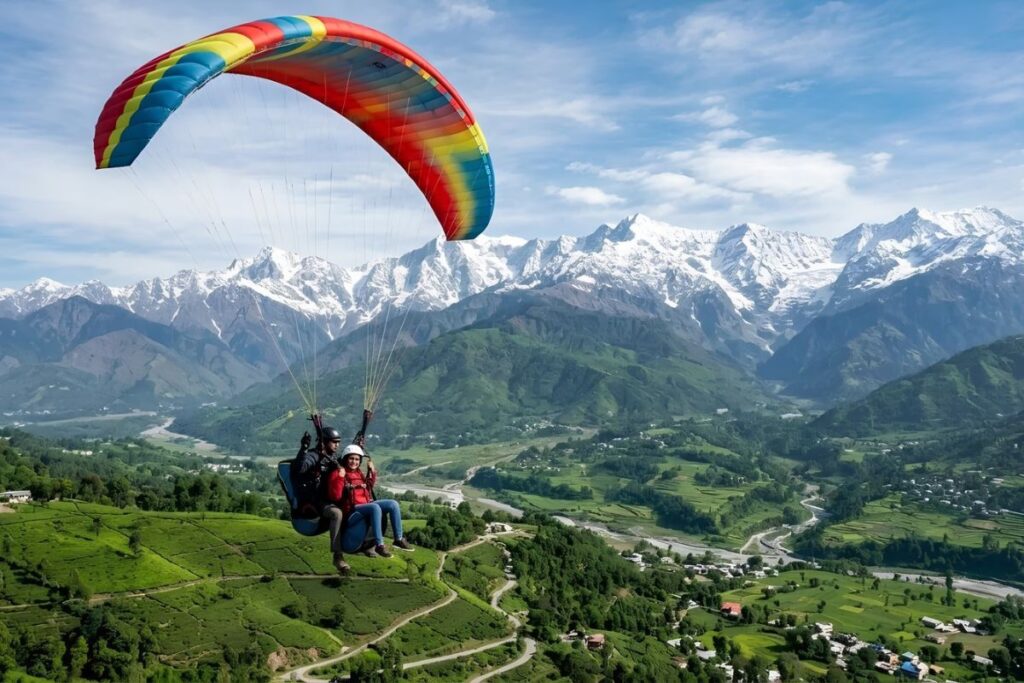
Commercial tandem pilots at Bir Billing are capped at two flights per day, bound by a ₹3,000 minimum tariff floor, and required to complete over-water emergency recovery training by August 31, 2026. In the Kangra Valley, the take-off site at Billing (2,400 meters) and landing field at Bir Chaugan (1,525 meters) form India’s primary hub for Himachal Pradesh adventure tourism in the air. The site hosts international competitions and introductory P1 to P4 pilot training courses certified under the Paragliding Association of India (PAI) and Aero Club of India frameworks.
Operations at Bir Billing changed sharply following a seven-day, industry-led safety suspension called by the Bir-Billing Paragliding Association (BBPA) on February 7, 2025. Under directives enforced by the BBPA and Kangra district tourism officials, the two-flight daily limit prevents pilot fatigue during peak afternoon thermal winds, while the ₹3,000 floor for a standard 15-to-20-minute flight stops operators from cutting equipment maintenance to win price wars.
Under amendments to Rule 5 of the Himachal Pradesh Aero Sports Rules, every commercial tandem pilot must complete SIV (Simulation during Flights) training, a controlled over-water course where pilots practice recovering from mid-air wing collapses, by August 31, 2026. Licensed operators registered with the Department of Tourism and Civil Aviation, Himachal Pradesh must also maintain six-month pilot medical checks, carry reserve parachutes on every glider, and log pre-flight equipment audits within the 9:00 a.m. to 3:30 p.m. operating window.
“Realising the danger, Singh’s instinct was not self-preservation, but protection. He secured the passenger, ensuring the tourist remained safe.” , The Tribune, December 28, 2025, reporting on veteran Bir-Billing tandem pilot Mohan Singh following a fatal post-takeoff technical malfunction that underscored the push for mandatory pre-flight mechanical audits.
What Permits and Waste Rules Apply to High-Altitude Treks?
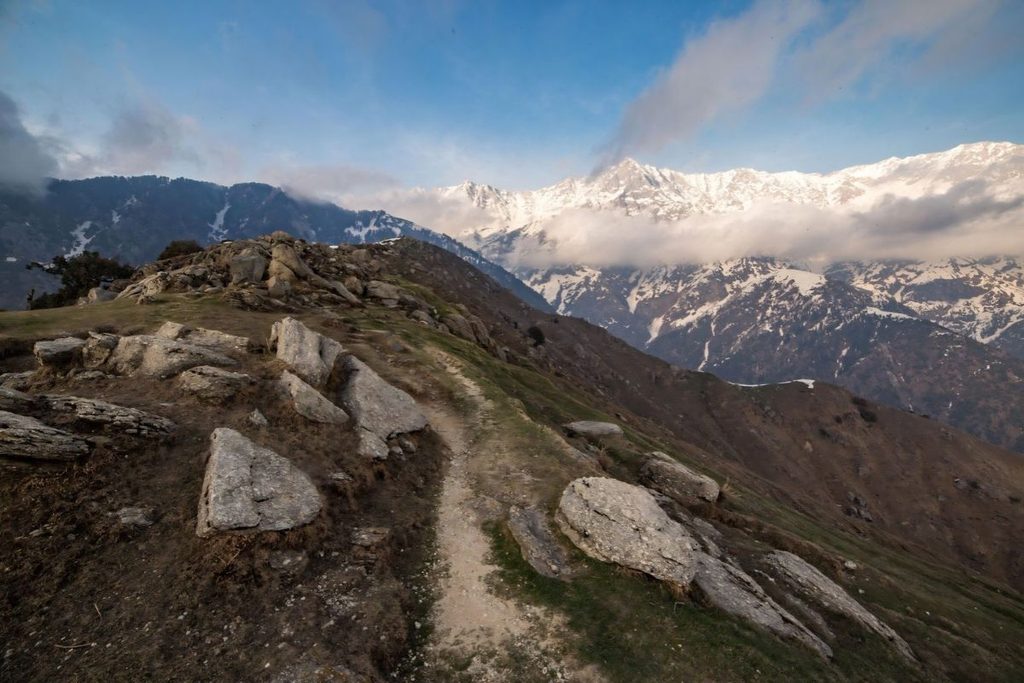
Under the Himachal Pradesh Miscellaneous Adventure Activities Rules, trekkers attempting routes above 3,000 meters must register online with the state tourism portal or local police station and hire certified local guides. Trekking routes across the state range from short forest climbs to multi-day glacier crossings, each carrying distinct permit and gear requirements:
- Triund (2,850 meters, Kangra): A 9-kilometer day or overnight ridge hike above McLeod Ganj offering views of the Dhauladhar range, regulated by Forest Department entry checkpoints to limit overnight tent congestion.
- Beas Kund (3,700 meters, Kullu): A three-day alpine meadow trek near Solang Valley leading to the glacial source of the Beas River, suitable for acclimatized beginners with a local guide.
- Hampta Pass (4,270 meters, Kullu–Lahaul): A four-to-five-day corridor crossing from Kullu pine forests into the arid Lahaul valley, open from mid-June to October.
- Pin Parvati Pass (5,319 meters, Kullu–Spiti): A technical, nine-to-eleven-day expedition across glaciated terrain requiring mountaineering gear, satellite communication, and experienced high-altitude guides.
Trail waste remains a persistent pressure on fragile alpine meadows. Non-profit clean-up groups, including Dharamshala-based Waste Warriors and Healing Himalayas, manage tens of thousands of visitors’ single-use plastic and abandoned camping gear across popular corridors such as Triund and Bhagsu. Registered trekking agencies must log non-biodegradable waste carried into forest zones and bring all wrappers, cans, and fuel canisters back to municipal collection points.
How Are Warming Winters Affecting Ice Skating in Shimla and Snow Sports?
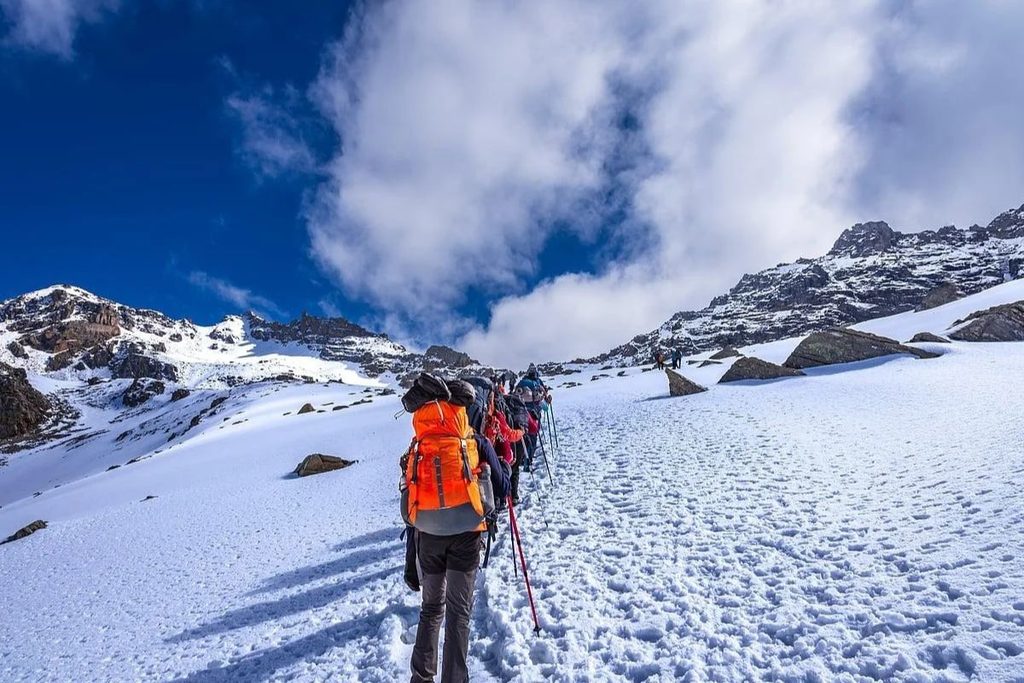
Warming winter minimums and erratic early-winter precipitation have compressed natural ice skating in Shimla into narrower windows between early December and February, pushing winter visitors toward higher-elevation snow hubs like Narkanda. Himachal Pradesh winter tourism centers on two distinct experiences: alpine snow sports in upper Kullu and Shimla districts, and natural open-air skating in Shimla town.
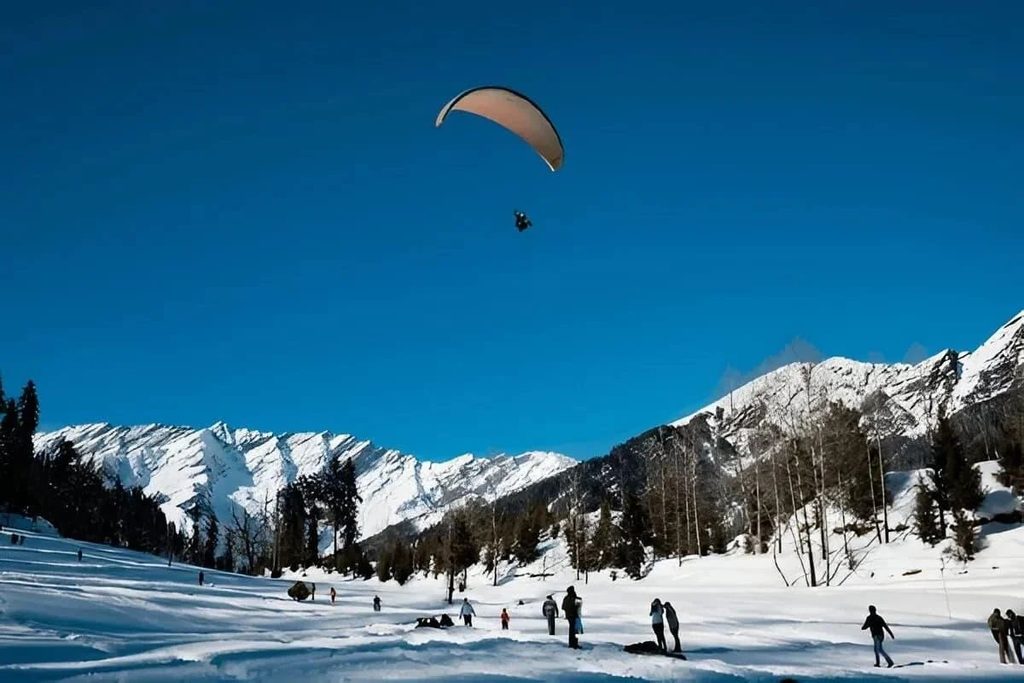
Solang Valley (2,560 meters) near Manali, Kufri (2,720 meters), and Narkanda (2,708 meters) host skiing, snowboarding, and snow-tubing from late December through February. Formal 14-day ski instruction (40 seats per batch) is led by the Atal Bihari Vajpayee Institute of Mountaineering and Allied Sports (ABVIMAS) at its Solang Nalla and Narkanda centers, subject strictly to adequate snowfall.
In central Shimla, the Shimla Ice Skating Club, operating since 1920, runs South Asia’s only natural open-air ice-skating rink below the Ridge. Unlike indoor rinks that rely on mechanical chillers, Shimla’s rink freezes naturally when clear winter night skies allow minimum temperatures to drop below freezing without daytime rain. According to club schedules and India Meteorological Department (IMD) Shimla climate records, where 1991–2020 February nighttime normals sit at 2°C, with snowfall increasingly concentrated higher up at Kufri and Narkanda during the 2024–2026 winters, shorter freezing spells and sudden road gridlock force municipal authorities to restrict private vehicles without snow chains during storms.
Can You Do Island Tourism in a Landlocked Himalayan State?
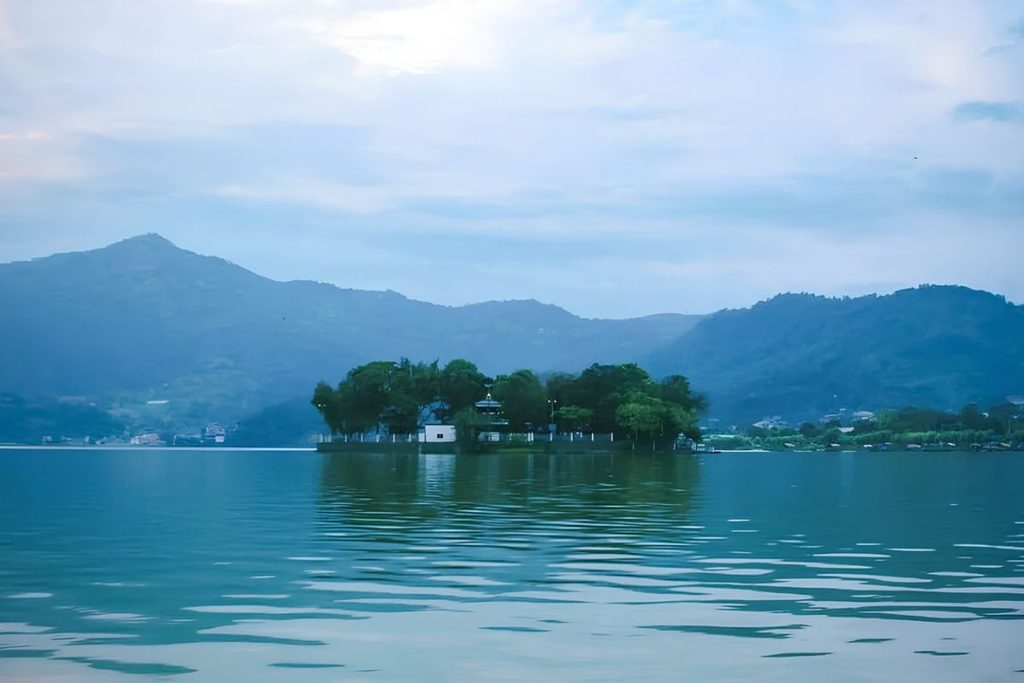
True island geography in landlocked Himachal Pradesh exists almost exclusively inside large hydroelectric reservoirs, such as Ranser Island in Kangra’s Pong Dam Lake, while commercial water sports operate along mainland reservoir shorelines like Gobind Sagar Lake. Because the state has no coastline, the term “island tourism” is frequently misapplied to mainland lakeside towns.
Ranser Island inside Pong Dam Lake (Maharana Pratap Sagar) sits inside a man-made reservoir on the Beas River designated as a Ramsar Wetland of International Importance, an internationally protected wetland site recognized for conserving migratory waterbird habitats. Ranser Island houses a forest rest house and sits within a wildlife sanctuary hosting migratory birds such as bar-headed geese, meaning access is strictly regulated by the Wildlife Wing of the Forest Department to prevent disturbance to nesting birds.
Commercial water sports, by contrast, operate along designated mainland reservoir shorelines rather than islands. Under the Himachal Pradesh Water Sports and Allied Activities Rules, 2021, the Department of Tourism permits motorboating, kayaking, canoeing, water skiing, and jet skiing in demarcated zones of Gobind Sagar Lake (Bilaspur district) and Chamera Lake (Chamba district). Following a May 2, 2026 Bilaspur district disaster management order, operators at Gobind Sagar’s Mandi Bharari and Luhnu jetties must provide certified life jackets for every rider, keep rescue boats on standby, and employ certified power-boat drivers to protect downstream drinking-water supplies.
How Does Himachal Pradesh Eco-Tourism Support Local Communities?
Guided low-impact treks in the Great Himalayan National Park, community-run heritage homestays, and state-subsidized homestay loans channel tourism revenue directly into rural mountain households. Beyond high-adrenaline sports, Himachal Pradesh eco-tourism relies on protected forests and living cultural traditions. The Great Himalayan National Park (GHNP) in Kullu district, a UNESCO World Heritage Site spanning 754 square kilometers of alpine meadows and temperate forests, protects endangered species including the snow leopard, western tragopan, and Himalayan tahr.
Visitor access inside GHNP is restricted to guided, low-impact walking treks managed through the Ecotourism Society of Himachal Pradesh and local community-based ecotourism cooperatives, which direct guiding wages and lodge revenues into eco-zone village households. Across surrounding villages in Kullu, Kinnaur, and Shimla, traditional Kath-Kuni houses, built from interlocking layers of deodar timber and dry-stacked stone without mortar, demonstrate earthquake-resistant mountain engineering and increasingly operate as heritage homestays.
Cultural circuits also link Buddhist monasteries such as Key and Tabo in Spiti, Chokling Monastery in Bir, and Palpung Sherabling near Baijnath with regional festivals like Kullu Dussehra and Losar. Local artisans sustain household incomes through Geographical Indication (GI)-tagged crafts, including handwoven Kullu and Kinnauri shawls, Chamba rumal embroidery, and Kangra miniature paintings. To help local entrepreneurs upgrade facilities without taking on unmanageable debt, the Interest Subvention Scheme for Home Stays under the Chief Minister Tourism Start-Up Scheme provides a 4% to 5% interest subsidy for three years on term loans up to ₹2 crore for Gold and Diamond homestays (and up to ₹1 crore for Silver units).
Practical Planning and the 2026–2030 Outlook
Verifying operator credentials and timing visits outside peak congestion months makes the biggest difference in safety and cost for travelers planning a trip to Himachal Pradesh:
- Check official registrations: Confirm that homestays display a Department of Tourism registration number issued via the state’s online homestay portal, paragliding pilots hold valid state tourism and SIV certificates, and trekking agencies register rosters before departure.
- Travel in shoulder months: April to mid-June and mid-September to November offer stable road conditions, clear mountain visibility, and lower accommodation pressure than late December or peak May weekends.
- Follow waste and water rules: Carry reusable water bottles; many hill municipalities ban single-use plastic bottles under 500 ml, and pack out all trail waste.
Over the next four years, Himachal Pradesh’s tourism trajectory depends on aligning infrastructure with ecological limits. National Highway Authority of India (NHAI) slope-protection projects across nine locations on the Kiratpur–Manali highway (NH-3) aim to reduce monsoon landslide blockages, while digital registration systems track homestay compliance and visitor dispersion. Whether the state’s multi-crore annual visitor flow translates into durable rural prosperity, or recurring infrastructure strain, will hinge on how consistently district authorities enforce carrying-capacity limits, homestay zoning, and adventure safety audits.
Frequently Asked Questions
When are adventure sports banned in Himachal Pradesh?
District administrations enforce a mandatory monsoon ban on river rafting, paragliding, and high-altitude adventure sports from July 15 to September 15 every year due to heavy rainfall and flash-flood hazards. High mountain passes such as Kunzum Pass (4,551 meters) also close from early November until late May due to heavy snow.
What are the new safety rules for Bir-Billing paragliding?
Under Bir-Billing Paragliding Association directives and amended Himachal Pradesh Aero Sports Rules, commercial tandem pilots are capped at two flights per day and must charge a minimum tariff floor of ₹3,000 per flight. All commercial tandem pilots must also complete mandatory SIV (over-water emergency recovery) training by August 31, 2026, carry reserve parachutes, and operate between 9:00 a.m. and 3:30 p.m.
Are there real islands to visit in Himachal Pradesh?
Because Himachal Pradesh is completely landlocked, true islands exist only inside large hydroelectric reservoirs, most notably Ranser Island inside Kangra’s Pong Dam Lake (Maharana Pratap Sagar). Because Ranser Island sits inside a protected Ramsar wetland sanctuary for migratory waterbirds, visitor access is strictly regulated by the Forest Department, whereas commercial boating and jet skiing operate along mainland shorelines at Gobind Sagar Lake and Chamera Lake.
Do trekkers need permits for Himalayan trails in Himachal Pradesh?
Under the Himachal Pradesh Miscellaneous Adventure Activities Rules, trekkers attempting routes above 3,000 meters, such as Beas Kund, Hampta Pass, and Pin Parvati Pass, must register online with the state tourism portal or local police station and hire certified local guides. Lower-altitude trails like Triund (2,850 meters) are regulated through Forest Department entry checkpoints to control overnight camping congestion.

Praseetha K
Praseetha K is the Managing Editor of Clarity Times. She edits, verifies and publishes the newsroom's articles, and also writes analysis on policy, law, business and technology. Articles she writes are edited by the Editor-in-Chief before publication.