Foreign investment funds are buying Indian renewable energy assets at lower prices because mid-sized domestic developers are running out of cash. Indian renewable energy asset valuations dropped as delayed state approvals, rising domestic equipment mandates, and high borrowing costs forced local firms to sell off partially built projects to avoid defaulting on debt.
Why Are Secondary Market Solar Valuations Compressing?
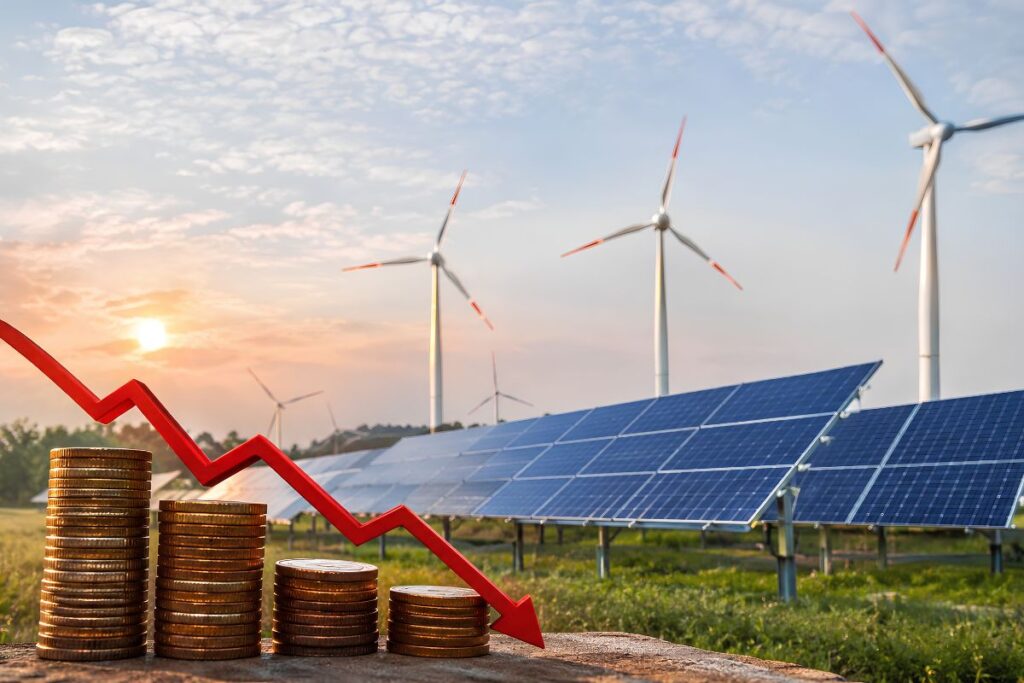
Secondary market solar valuations have dropped by 19% to 23% over the past 24 months, clearing between ₹3.4 crore and ₹3.7 crore per megawatt compared to previous highs of ₹4.2 crore to ₹4.8 crore.
According to acquisition filings and transaction data from domestic clean energy platforms, that decline reflects exit sales by builders unable to service project debt rather than orderly pricing discovery.
The sellers are mid-sized domestic developers who won capacity in central auctions by bidding aggressive, record-low electricity tariffs. Those original bids assumed frictionless execution. When policy changes and financing costs shifted, their operating margins vanished.
What Broke the Balance Sheets of Mid-Tier Solar Developers?
Three concurrent financial and regulatory shocks broke mid-tier balance sheets: domestic procurement mandates, borrowing costs, and administrative delays at state utilities.
First, developers faced sudden equipment cost inflation under the Approved List of Models and Manufacturers (ALMM)—a government registry managed by the Ministry of New and Renewable Energy (MNRE) listing certified domestic solar equipment that developers must source from to qualify for government-backed tenders. Complying with this domestic mandate instead of importing cheaper equipment subject to the 40% Basic Customs Duty widened project capital costs by 15% to 22%. According to project finance modeling, that cost jump lowered equity internal rates of return—the annualized metric tracking project profitability—from 12% to under 8%, falling below the threshold required by commercial lenders.
Second, rising benchmark interest rates set by the Reserve Bank of India (RBI) squeezed cash reserves. According to corporate financial disclosures filed with the Ministry of Corporate Affairs (MCA), interest coverage ratios—the operating earnings available to pay debt interest—dropped below 1.2 times among mid-sized builders. Commercial banks halt construction credit once coverage breaches that line.
Third, administrative backlogs at state commissions stalled project capital. A developer cannot draw down long-term loans until state power regulators officially adopt the tariff agreed in the initial auction. According to regulatory dockets at the Central Electricity Regulatory Commission (CERC) and state regulatory bodies, formal tariff adoption reviews frequently stretch past 400 days, well beyond the 60-day statutory target. Developers must cover land leases and equipment advances using short-term capital until cash runs out.
Why Do Gigawatts of Solar Auctions Sit in Limbo?
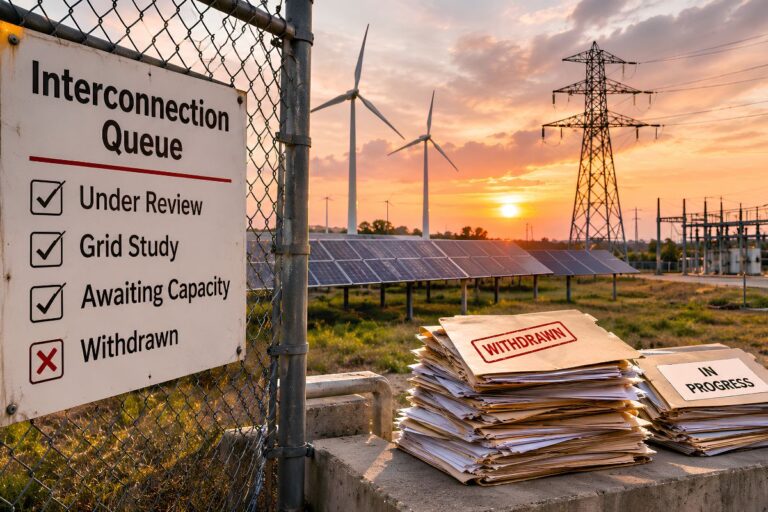
Generation capacity sits stranded because state distribution companies delay signing long-term power purchase agreements, leaving projects without guaranteed off-takers.
According to monthly project monitoring reports from the Central Electricity Authority (CEA), gigawatts of capacity auctioned by the Solar Energy Corporation of India (SECI) sit without executed Power Sale Agreements. State distribution companies—the public utilities that distribute electricity to consumers—delay signing long-term contracts whenever they anticipate wholesale electricity rates might fall in subsequent tender rounds.
Every month a winning bid sits without a signed power contract, a mid-tier developer pays a steep financial price. The developer’s performance bank guarantees remain frozen with state agencies, locking up balance-sheet capacity and blocking the firm from securing fresh working capital. Selling development rights to foreign funds is often the only way to recover that tied-up collateral.
Why Are Foreign Infrastructure Funds Acquiring Distressed Portfolios?
Institutional investors like Macquarie Asset Management are acquiring distressed renewable energy portfolios in India because their lower cost of capital allows them to refinance debt that local developers cannot sustain.
Global funds operate through infrastructure investment trusts registered with the Securities and Exchange Board of India (SEBI)—pooled investment vehicles that hold operating infrastructure assets and distribute cash flows under preferential tax terms. These platforms access offshore debt markets at lower interest rates than domestic builders paying commercial bank borrowing rates.
Global asset managers point out that their capital rescues viable generation capacity that would otherwise face liquidation, ensuring India stays on course toward its 500-gigawatt clean energy target. By consolidating assets, institutional platforms absorb interconnection delays and renegotiate equipment orders at scale.
Concurrently, the Ministry of New and Renewable Energy maintains that strict domestic sourcing rules protect long-term energy security, while state regulators assert that deliberate tariff scrutiny shields rate-paying households from overpriced power agreements.
How Will Secondary Buyouts Reshape India’s Power Grid?
Secondary buyouts are concentrating generation assets into a smaller tier of institutional asset aggregators and domestic corporate conglomerates.
Data from the Central Electricity Authority confirms that the share of operating utility-scale capacity controlled by the top five asset aggregators has expanded over the past five years. When small and mid-sized builders cannot fund project equity, bidding fields shrink. The capital enters the market, but the independent builders who developed the initial generation sites are leaving it.
Frequently Asked Questions
Why are valuations for Indian renewable energy assets dropping?
Valuations in the secondary market have fallen 19% to 23%—clearing at ₹3.4 crore to ₹3.7 crore per megawatt—because mid-sized developers are selling off distressed projects. These builders were caught between delayed state power purchase agreements, stricter domestic equipment sourcing costs, and climbing debt interest rates.
How does the ALMM mandate affect solar project profitability?
The Approved List of Models and Manufacturers mandate requires developers to buy certified domestic solar hardware rather than cheaper imports. According to project finance modeling, this domestic sourcing requirement added a 15% to 22% capital expenditure premium, pulling equity internal rates of return down from an estimated 12% to below 8%.
Why do state power distribution companies delay signing power purchase agreements?
State electricity distribution companies frequently hold back from signing long-term power sale agreements if they suspect wholesale auction tariffs might fall further in upcoming tenders. These regulatory and commercial delays hold developer performance guarantees hostage and prevent long-term construction loan disbursements.

Praseetha K
Praseetha K is the Managing Editor of Clarity Times. She edits, verifies and publishes the newsroom's articles, and also writes analysis on policy, law, business and technology. Articles she writes are edited by the Editor-in-Chief before publication.