At Clarity Times, we examine what mainstream narratives omit. This dispatch investigates institutional incentives, policy fine print, and multi-dimensional community impacts.
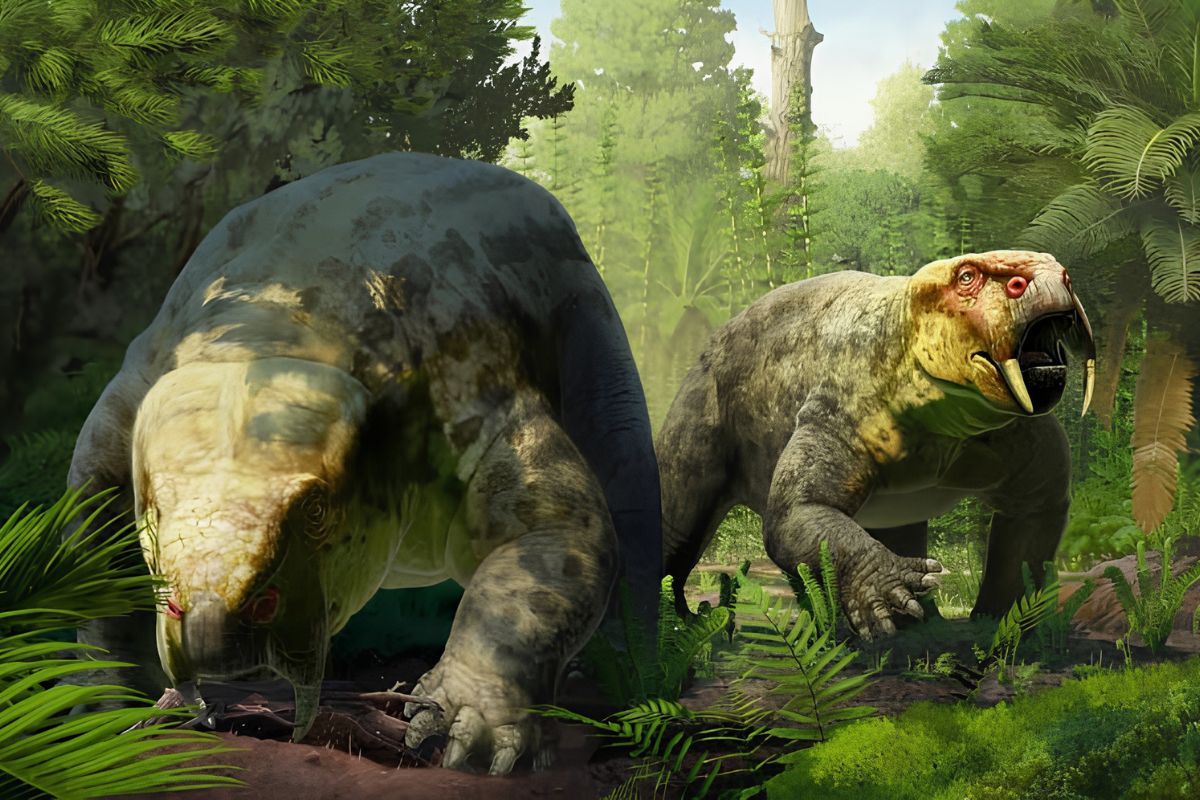
The Tanzanian Triassic pig fossil, formally named Dinodontosaurus isiyavamanda, did not emerge from a recent excavation. It was extracted from the Ruhuhu Basin during a 1963 expedition and sat unanalyzed in a London museum for 60 years. A new study naming the creature features exclusively Western researchers, reflecting a historical extraction model that modern African paleontologists are actively rewriting.
Where was the Tanzanian Triassic pig fossil hiding?
The fossil spent the last 60 years in the unanalyzed storage archives of the Natural History Museum in London.
An expedition organized by the British Museum (Natural History) originally pulled the remains from the Manda Beds of the Ruhuhu Basin. The 1963 fieldwork relied on unnamed Tanzanian workers to locate the sites and carry the excavated rocks. The specimens were subsequently shipped to the United Kingdom, entering the archives of the Natural History Museum (NHM).
This export occurred one year before Tanzania enacted its 1964 Antiquities Act, a national law that formally restricted the unlicensed export of national relics.
For six decades, the specimens remained in storage. The NHM maintains millions of specimens, and administrators defend the realities of their institutional backlog. Dr. Mike Day, Curator of Non-Mammalian Tetrapods at the NHM, stated that the specimen “has been in our care for over 60 years,” adding that analyzing legacy collections shows “the importance of looking after these invaluable records of life on Earth.”
Why does the Dinodontosaurus isiyavamanda change dinosaur history?
Finding this early mammal relative in Africa proves Tanzanian rocks are 10 million years younger than previously calculated, aligning the timeline of early African dinosaurs with those in South America.
Researchers from the University of Bristol and the NHM recently published a paper identifying these remains as Dinodontosaurus isiyavamanda, a synapsid (an evolutionary precursor to mammals) with a beak and tusks. Existing coverage focuses entirely on the geological revision.
The published study carries a distinct demographic footprint. Of the researchers credited with the discovery, led by Bristol PhD student Hady George, none are affiliated with African institutions.
What is parachute science in paleontology?
Parachute science is the practice where researchers from wealthy nations extract data or specimens from lower-income countries without crediting or collaborating with local scientists.
This author list represents a standard outcome of 20th-century paleontology. Expeditions typically relied on local labor to locate fossils, which were exported to European or North American institutions. Academic credit belongs to the researchers who analyze the fossils and publish the findings – a process occurring thousands of miles from the excavation site.
A bibliometric analysis published in Nature Ecology & Evolution found that 97 percent of fossil publications are authored by researchers based in high- and upper-middle-income countries. When fossils permanently leave their country of origin, the opportunity for local scientists to lead the resulting research diminishes.
How do Tanzanian researchers view legacy fossil collections?
For researchers based in Tanzania, Western headlines about Tanzanian fossils highlight a disconnect between the source of the heritage and the centers of academic recognition.
Institutions holding legacy collections argue they provided essential preservation infrastructure at times when local facilities did not exist. Tanzanian geologists acknowledge this preservation reality, but counter that the resulting academic capital still concentrates entirely in the Global North.
How are modern Ruhuhu Basin fossils regulated today?
Modern excavations in the Ruhuhu Basin operate under updated antiquities regulations that mandate Tanzanian partnership and tightly restrict permanent export.
The regulatory environment in Tanzania has changed since 1963. The extraction model that brought the Dinodontosaurus to London is no longer legally viable. Local scientists and government bodies are now enforcing controlled excavation protocols.
Recent multi-year surveys in the Ruhuhu Basin, such as those co-led by the Field Museum and the University of Washington, are explicitly conducted in strict cooperation with the Tanzanian government. Rather than permanently exporting specimens to Western drawers, modern researchers stipulate that all fossils collected by the team will be returned to Tanzania after analysis.
The goal is to ensure the next major Triassic discovery is researched and credited in the country that produced it.
Frequently Asked Questions
When was the Tanzanian Triassic pig fossil discovered? The fossil was extracted from the Ruhuhu Basin during a 1963 British expedition. However, it was not formally analyzed or named Dinodontosaurus isiyavamanda until researchers at the Natural History Museum in London published a study on it in recent weeks.
Why are there no African scientists credited on the new Dinodontosaurus paper? The fossil was extracted under a 20th-century model where specimens were permanently exported to Western institutions. Because the recent analysis was conducted on a 60-year-old backlog specimen in London, the resulting study features exclusively European researchers.
Are fossils still exported from Tanzania today? Permanent export is tightly restricted under modern Tanzanian antiquities regulations. Contemporary excavations require local partnerships, and foreign research teams must agree to return collected fossils to Tanzania after analysis.
Editorial Independence & Corrections
Clarity Times is published by Beeps Venture Technologies LLP under strict editorial independence charters. We uphold rigorous sourcing and verification protocols. Noticed a factual omission or error? Review our Correction Protocols or contact our editorial desk at mail@claritytimes.org.

Praseetha K
Investigative journalist and research analyst contributing independent field reports and structural analysis for Clarity Times.