At Clarity Times, we examine what mainstream narratives omit. This dispatch investigates institutional incentives, policy fine print, and multi-dimensional community impacts.
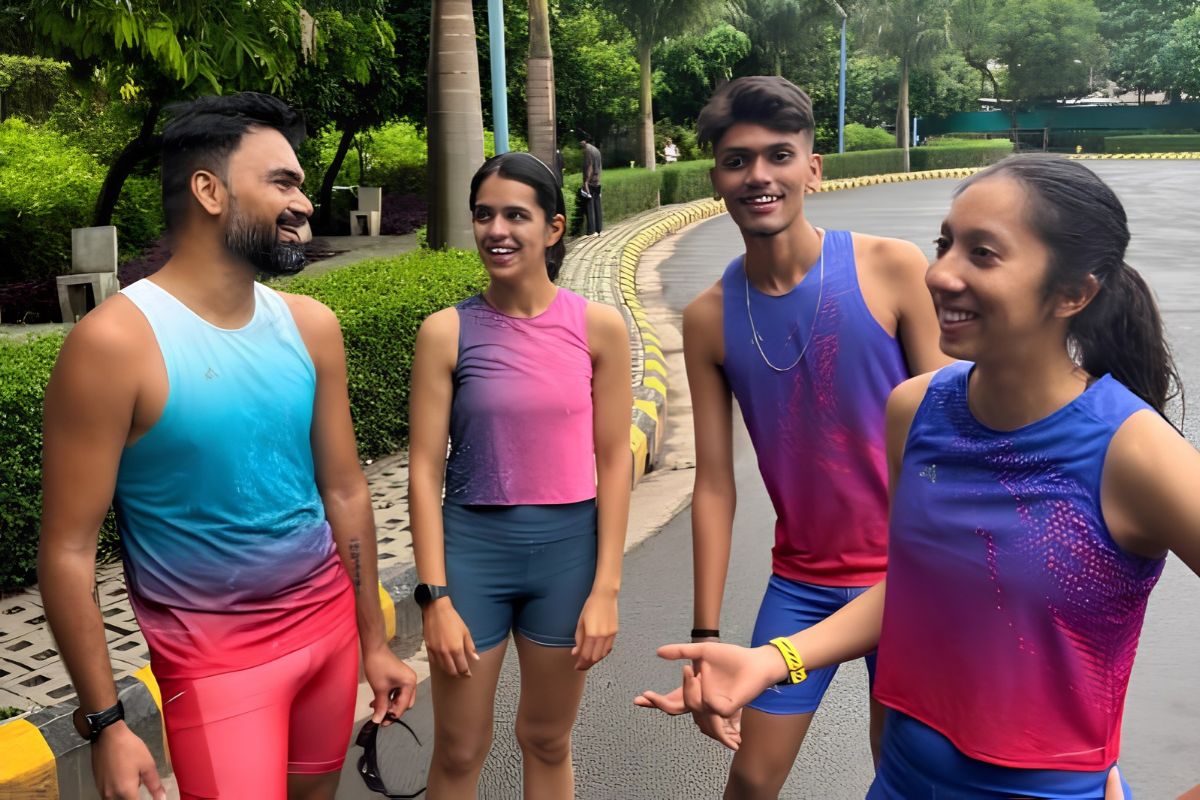
Most premium moisture-wicking activewear sold by Indian direct-to-consumer brands is chemically and structurally identical to basic, low-cost polyester. Textile industry data shows the trademarked cooling technologies advertised at premium price points are often standard, temporary chemical washes, offering no permanent performance advantage over unbranded alternatives.
Is Premium Activewear Different from Cheap Polyester?
Tests modeled on American Association of Textile Chemists and Colorists (AATCC) standards show identical base fiber compositions between premium and budget garments: standard polyethylene terephthalate (PET), a common synthetic plastic polymer.
To understand the material difference between a high-end activewear shirt and a budget alternative, the baseline metric is liquid moisture management. Tests comparing premium D2C activewear shirts priced around Rs 1,500 against unbranded market alternatives priced at Rs 300 found no difference in the core yarn extrusion.
The rate at which sweat moves from inside the fabric to the outside, capillary action, shows a severe drop-off over time for premium garments. According to material science developers at Meridian Materials Group, these surface finishes typically degrade after 20 wash cycles. Once the finish degrades, the premium garment holds the exact same moisture retention profile as untreated budget polyester.
When contacted, representatives for major D2C activewear brands justified their price premiums by citing superior stitching, four-way stretch construction, and consistent fit rather than structural fiber innovations. None provided patents for proprietary yarn extrusion.
What Are Activewear Cooling Technologies Made Of?
The proprietary-sounding wicking technologies advertised by activewear brands are generally standard hydrophilic chemical finishes applied to basic polyester yarns.
Activewear companies rely on marketing terminology to differentiate their polyester. Terms like “Aero-cool,” “Smart-wick,” or “Breeze-tech” suggest structural innovations in the fabric itself. Textile engineers point to a simpler industrial reality.
These wicking technologies are chemical baths that reduce the surface tension of the plastic yarn, allowing water to spread out rather than bead up. “Hydrophilic” simply means water-attracting. It is an industry-standard treatment applied during fabric dyeing, not a brand-specific invention. Over multiple machine wash cycles, this chemical layer breaks down and washes away.
How Much Do Indian D2C Activewear Brands Spend on R&D?
Financial filings show that major Indian D2C activewear brands allocate minimal capital to polymer research, instead building their business models heavily on customer acquisition and advertising.
India’s activewear market is currently valued at Rs 16,000 crore, driven by high-volume digital marketing from direct-to-consumer labels. A look at the balance sheets of the companies selling these garments reveals their actual operating models.
According to Ministry of Corporate Affairs data reported by Entrackr, Cult.fit’s FY24 filings reveal Rs 188 crore spent on advertising and promotions against a total income crossing Rs 1,000 crore. Similarly, women’s activewear brand BlissClub reported crossing Rs 130 crore in operating revenue for FY25.
Across the domestic D2C apparel sector, standalone capital allocated to actual material science and polymer research remains negligible compared to marketing spend.
Where Do Indian Brands Source Their Smart Fabrics?
Indian activewear brands source their “smart” fabrics from the same wholesale synthetic catalogs of imported Chinese and Taiwanese textiles available to budget retailers.
The absence of internal research means brands rely on external suppliers for their core product. While domestic manufacturing hubs handle garment assembly, the performance yarns originate mostly overseas.
Factory owners in hubs like Tirupur confirm that D2C brands generally select from catalogs of standard imported synthetic fabrics rather than commissioning custom structural yarn extrusion.
When Does Fabric Technology Actually Work?
Genuine textile engineering changes the physical structure of the yarn itself, using multi-channel cross-sections that do not wash out in a machine.
Actual proprietary textile technology requires spinning fibers into specific shapes to physically draw moisture away, or embedding permanent masterbatch technology at the polymer level. Because these structural fiber engineering processes carry high production costs, they are largely absent from the mid-tier Indian market.
Until those structural innovations become cheaper to manufacture, the Rs 1,500 “performance” shirt will remain a standard polyester garment treated with a temporary chemical wash.
Frequently Asked Questions
Does moisture-wicking polyester lose its effectiveness over time? Yes. Most mid-tier activewear uses a temporary hydrophilic chemical wash to draw sweat away from the body. This chemical layer degrades in the washing machine, often losing its wicking properties after about 20 wash cycles.
Are premium activewear fabrics different from cheap polyester? Structurally, they are identical. Both premium and budget activewear garments are primarily made of polyethylene terephthalate (PET). The price premium generally covers marketing, stitching, fit, and temporary chemical treatments, not proprietary yarn.
Do Indian D2C brands invent their own cooling fabrics? No. Factory owners confirm that most Indian direct-to-consumer brands source their synthetic performance fabrics from standard wholesale catalogs, primarily importing the yarns from China and Taiwan.
Moisture-Wicking Activewear: Tech or Just Polyester?
Most premium moisture-wicking activewear sold by Indian direct-to-consumer brands is chemically and structurally identical to basic, low-cost polyester. Textile industry data shows the trademarked cooling technologies advertised at premium price points are often standard, temporary chemical washes, offering no permanent performance advantage over unbranded alternatives.
Is Premium Activewear Different from Cheap Polyester?
Tests modeled on American Association of Textile Chemists and Colorists (AATCC) standards show identical base fiber compositions between premium and budget garments: standard polyethylene terephthalate (PET), a common synthetic plastic polymer.
To understand the material difference between a high-end activewear shirt and a budget alternative, the baseline metric is liquid moisture management. Tests comparing premium D2C activewear shirts priced around Rs 1,500 against unbranded market alternatives priced at Rs 300 found no difference in the core yarn extrusion.
The rate at which sweat moves from the inside of the fabric to the outside, the capillary action, shows a severe drop-off over time for premium garments. According to material science developers at Meridian Materials Group, these surface finishes typically degrade after 20 wash cycles. Once the finish degrades, the premium garment holds the exact same moisture retention profile as untreated budget polyester.
When contacted, representatives for major D2C activewear brands justified their price premiums by citing superior stitching, four-way stretch construction, and consistent fit rather than structural fiber innovations. None provided patents for proprietary yarn extrusion.
What Are Activewear Cooling Technologies Made Of?
The proprietary-sounding wicking technologies advertised by activewear brands are generally standard hydrophilic chemical finishes applied to basic polyester yarns.
Activewear companies rely on marketing terminology to differentiate their polyester. Terms like “Aero-cool,” “Smart-wick,” or “Breeze-tech” suggest structural innovations in the fabric itself. Textile engineers point to a simpler industrial reality.
These wicking technologies are chemical baths that reduce the surface tension of the plastic yarn, allowing water to spread out rather than bead up. “Hydrophilic” simply means water-attracting. It is an industry-standard treatment applied during fabric dyeing, not a brand-specific invention. Over multiple machine wash cycles, this chemical layer breaks down and washes away.
How Much Do Indian D2C Activewear Brands Spend on R&D?
Financial filings show that major Indian D2C activewear brands allocate minimal capital to polymer research, instead building their business models heavily on customer acquisition and advertising.
India’s activewear market is currently valued at Rs 16,000 crore, driven by high-volume digital marketing from direct-to-consumer labels. A look at the balance sheets of the companies selling these garments reveals their actual operating models.
According to Ministry of Corporate Affairs data reported by Entrackr, Cult.fit’s FY24 filings reveal Rs 188 crore spent on advertising and promotions against a total income crossing Rs 1,000 crore. Similarly, women’s activewear brand BlissClub reported crossing Rs 130 crore in operating revenue for FY25.
Across the domestic D2C apparel sector, standalone capital allocated to actual material science and polymer research remains negligible compared to marketing spend.
Where Do Indian Brands Source Their Smart Fabrics?
Indian activewear brands source their “smart” fabrics from the same wholesale synthetic catalogs of imported Chinese and Taiwanese textiles available to budget retailers.
The absence of internal research means brands rely on external suppliers for their core product. While domestic manufacturing hubs handle garment assembly, the performance yarns originate mostly overseas.
Factory owners in hubs like Tirupur confirm that D2C brands generally select from catalogs of standard imported synthetic fabrics rather than commissioning custom structural yarn extrusion.
When Does Fabric Technology Actually Work?
Genuine textile engineering changes the physical structure of the yarn itself, using multi-channel cross-sections that do not wash out in a machine.
Actual proprietary textile technology requires spinning fibers into specific shapes to physically draw moisture away, or embedding permanent masterbatch technology at the polymer level. Because these structural fiber engineering processes carry high production costs, they are largely absent from the mid-tier Indian market.
Until those structural innovations become cheaper to manufacture, the Rs 1,500 “performance” shirt will remain a standard polyester garment treated with a temporary chemical wash.
Frequently Asked Questions
Does moisture-wicking polyester lose its effectiveness over time? Yes. Most mid-tier activewear uses a temporary hydrophilic chemical wash to draw sweat away from the body. This chemical layer degrades in the washing machine, often losing its wicking properties after about 20 wash cycles.
Are premium activewear fabrics different from cheap polyester? Structurally, they are identical. Both premium and budget activewear garments are primarily made of polyethylene terephthalate (PET). The price premium generally covers marketing, stitching, fit, and temporary chemical treatments, not proprietary yarn.
Do Indian D2C brands invent their own cooling fabrics? No. Factory owners confirm that most Indian direct-to-consumer brands source their synthetic performance fabrics from standard wholesale catalogs, primarily importing the yarns from China and Taiwan.
Editorial Independence & Corrections
Clarity Times is published by Beeps Venture Technologies LLP under strict editorial independence charters. We uphold rigorous sourcing and verification protocols. Noticed a factual omission or error? Review our Correction Protocols or contact our editorial desk at mail@claritytimes.org.

Praseetha K
Investigative journalist and research analyst contributing independent field reports and structural analysis for Clarity Times.