
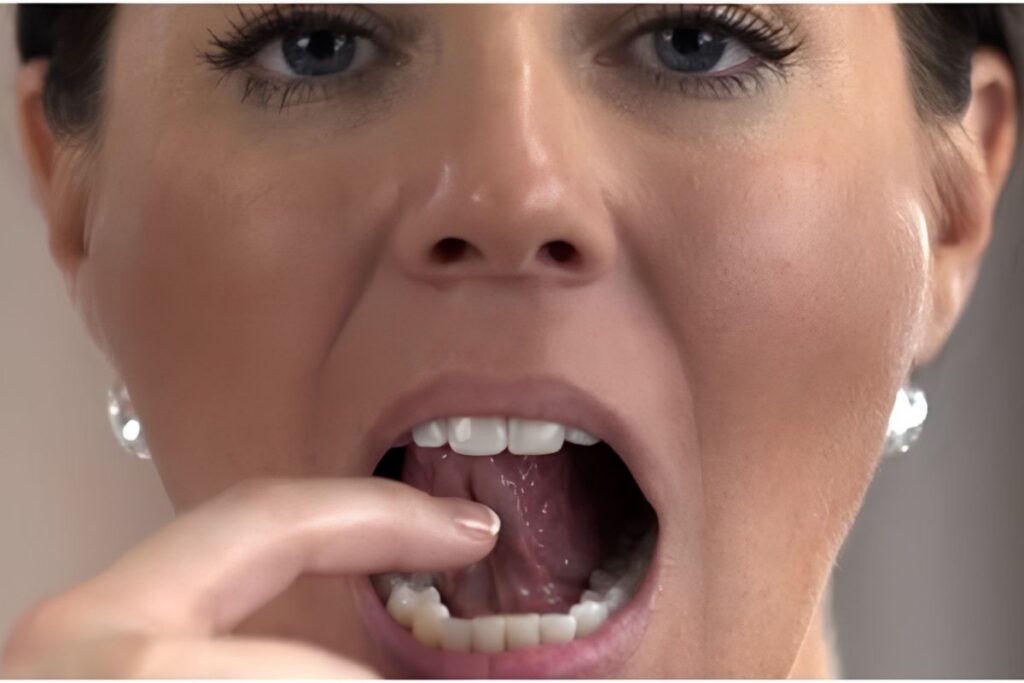
In India, women suffering from oral cavity cancers linked to smokeless tobacco present at hospital oncology wards at significantly later and deadlier stages than men. Driven by intense cultural stigma surrounding female tobacco consumption, rural and semi-urban patients routinely conceal early precancerous lesions from family members, seeking clinical consultation only after severe pain, ulceration, or trismus (restricted mouth opening) makes everyday function impossible.
Diagnostic Lag: The Disproportionate Shift to Stage III and IV Presentations
Upon initial hospital admission, female oral cancer patients present with advanced-stage malignancies at markedly higher proportions than their male counterparts. Clinical audits published in the Indian Journal of Medical Research (IJMR) and data from the Indian Council of Medical Research (ICMR) National Cancer Registry Programme show that while men are more frequently diagnosed during localized Stage I or II presentations, over 72 percent of female oral cancer patients enter tertiary care at Stage III or Stage IV.
This prolonged diagnostic interval—averaging five to seven months from the onset of initial symptoms to formal histological biopsy—severely depresses curative outcomes. It compounds India’s broader public health crisis, where oral cancer accounts for over 30 percent of the global disease burden and remains the leading cause of cancer mortality among adult males and the third leading cause among females.
Social Stigma and the Concealment of Smokeless Tobacco Use
The root driver of delayed presentation among women is not merely geographic distance to specialized clinics, but deep-seated social stigma. While smokeless tobacco products—including khaini, zarda, gutkha, and betel quid (paan)—are publicly consumed and normalized among men, female consumption is heavily penalized socially, particularly across rural northern and central India.
According to epidemiological field studies, female users frequently conceal their habit from husbands, in-laws, and children. When precancerous oral potentially malignant disorders (OPMDs)—such as leukoplakia, erythroplakia, and oral submucous fibrosis (OSMF)—first emerge as white patches or persistent burning sensations, women avoid seeking care to prevent disclosure of their tobacco usage. Instead, patients resort to clandestine home remedies, non-prescription analgesics, and over-the-counter topical pastes, allowing localized cellular dysplasia to transform into invasive squamous cell carcinomas.
This demographic reality is often ignored in global health initiatives. As examined in Clarity Times’ investigation into why South Asian women are excluded from tobacco cessation funding, national prevention frameworks frequently design intervention campaigns around male occupational hubs, leaving women without targeted, confidential cessation support.
Frontline Screening Barriers: Mobility Constraints and ASHA Limitations
India’s primary healthcare architecture relies on Accredited Social Health Activists (ASHA workers) and Auxiliary Nurse Midwives (ANMs) to conduct population-based door-to-door screenings under the National Programme for Prevention and Control of Non-Communicable Diseases (NP-NCD). However, community health workers face formidable logistical and structural bottlenecks during domestic examinations.
Because home visits occur in shared household environments where family members or in-laws are present, female patients rarely report intraoral lesions or admit to smokeless tobacco consumption. Furthermore, confirmed screening referrals require an escort and financial support from male household heads to travel to Community Health Centres (CHCs) or district hospitals for confirmatory incisional biopsies.
Fearing marital friction, domestic reprimand, or the financial burden associated with tertiary hospital visits, women consistently downplay symptomatic sores. This structural hurdle intersects with broader systemic delays: as detailed in our analysis of why oncology wait times are rising for new patients, even after referral, secondary diagnostic backlogs delay punch biopsies and histopathological staging by several additional weeks.
Clinical Comparison: Diagnostic Lag and Survival Correlates
The table below summarizes clinical presentation parameters, average diagnostic delay, and five-year overall survival rates across stage strata based on multi-center oncology registry data in India:
| Diagnostic Stage | Clinical Presentation | Avg. Diagnostic Lag | Surgical Feasibility | 5-Year Overall Survival |
|---|---|---|---|---|
| Stage I (Localized) | Tumor ≤ 2 cm; no nodal spread | 3 to 6 weeks | Conservative wide local excision; organ preservation | 80% – 85% |
| Stage II (Early Invasive) | Tumor 2 to 4 cm; no nodal spread | 6 to 10 weeks | Partial resection; sentinel node evaluation | 65% – 70% |
| Stage III (Locally Advanced) | Tumor > 4 cm or ipsilateral lymph node ≤ 3 cm | 4 to 6 months | Extensive composite resection + neck dissection | 35% – 45% |
| Stage IV (Advanced / Metastatic) | Invasion of masticator space, skull base, or distant nodes | 6 to 9+ months | Radical resection with microvascular flap reconstruction; palliative intent | 15% – 25% |
Clinical Fallout: Diminishing Surgical Options and Palliative Transition
When female patients finally arrive at tertiary cancer centres, the therapeutic window for conservative, organ-sparing intervention has typically closed. Advanced Stage III and IV tumors require aggressive composite resections, often entailing segmental mandibulectomies (removal of the jawbone), total glossectomies (tongue removal), bilateral neck dissections, and complex microvascular free flap reconstructions.
Beyond the catastrophic physical disfigurement, the economic consequences are devastating. Late-stage head-and-neck oncological surgeries require prolonged intensive care, adjuvant chemoradiotherapy, and speech rehabilitation, driving thousands of families into acute medical debt—a phenomenon explored in our report on cancer survivor medical bankruptcy and default rates.
Compounding the clinical challenge is the unregulated availability of tobacco products. Despite nationwide prohibitions on pre-mixed gutkha, enforcement remains fragmented at the retail level. As documented in our investigative report on how illicit gutkha manufacturing syndicates bypass state bans, manufacturers easily circumvent regulations by packaging chewing tobacco and flavoured pan masala in separate twin-sachets, maintaining ubiquitous supply across rural markets.
Policy Imperatives: Redesigning Early Detection for Female Populations
Reversing the disproportionate late-stage mortality among female oral cancer patients requires restructuring early-detection workflows:
- Confidential Community Screening Pods: Decoupling oral examinations from general household visits by establishing private screening spaces at village Anganwadi centres and women’s self-help group (SHG) meetings.
- Point-of-Care Diagnostic Staining: Equipping frontline ASHA workers with non-invasive diagnostic adjuncts—such as toluidine blue vital staining and autofluorescence screening devices—to identify cellular dysplasia prior to visible ulceration.
- Gender-Targeted Public Awareness: Launching targeted public education campaigns that explicitly acknowledge female smokeless tobacco consumption, frame oral symptoms as medical emergencies rather than moral failures, and provide toll-free confidential navigation lines to district oncology centers.

Praseetha K
Praseetha K is the Managing Editor of Clarity Times. She edits, verifies and publishes the newsroom's articles, and also writes analysis on policy, law, business and technology. Articles she writes are edited by the Editor-in-Chief before publication.