At Clarity Times, we examine what mainstream narratives omit. This dispatch investigates institutional incentives, policy fine print, and multi-dimensional community impacts.
Employers may soon legally require a DNA test for night shifts. Fearing new workers’ compensation claims related to shift work, corporate defense firms are advising companies to establish a genetic baseline. A legal distinction regarding current biomarkers could make this testing permissible under federal privacy laws.
Why are employers requiring a DNA test for night shifts?
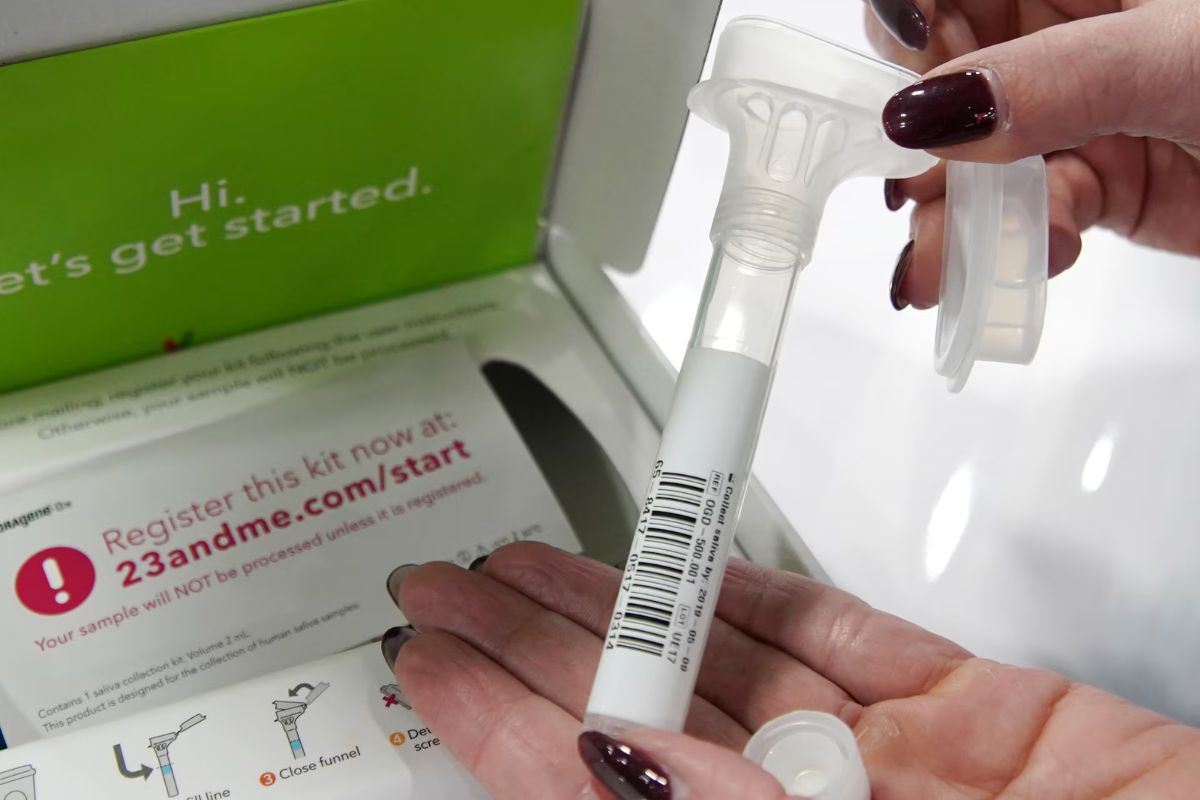
Corporate defense law firms are actively advising employers to implement pre-employment DNA testing to establish a “before” snapshot of a worker’s health.
Legal networks and defense attorneys routinely outline management-side HR strategies for GINA compliance and genetic screening. This guidance represents a defensive human resources strategy. Rather than waiting for workers to sue over health issues caused by overnight schedules, companies want biological proof of an applicant’s cellular condition on their first day of work.
How does a DNA test limit workers’ compensation liability?
Employers want a baseline DNA test to avoid paying apportionment costs for genetic damage caused by an applicant’s previous years working night shifts at a competitor. (Apportionment is the legal division of workers’ compensation liability among multiple employers over time).
Medical research recently demonstrated that long-term night shift work physically alters the DNA methylation of biological clock genes. (DNA methylation is a biological process where chemicals attach to DNA, changing how genes function based on environmental stress).
A foundational 2022 genome-wide study published in Epigenetics demonstrated that poorly structured night shifts physically change biological clock genes over time. If night shifts cause physical cellular damage, employers face a wave of hazard and workers’ compensation claims.
California Labor Code Section 4663 and workers’ compensation defense standards mandate that cumulative trauma liability is apportioned between sequential employers.
Legal precedent establishes that employers cannot be held financially responsible for biological damage caused by pre-existing conditions. A baseline test provides the only mathematically objective way to prove what cellular damage actually occurred on their watch, ensuring they only pay for the harm they actually caused.
Is pre-employment genetic testing legal under privacy laws?
The federal Genetic Information Nondiscrimination Act (GINA) prevents employers from using genetic information in hiring decisions, but legal experts indicate the law likely does not protect workers from epigenetic baselining.
Analyses of epigenetic discrimination and employment law detail this specific legal distinction. Employers plan to classify epigenetic methylation as an unprotected “current biomarker” rather than a protected “predictive genetic trait.”
Federal reviews of GINA regulations and Equal Employment Opportunity Commission (EEOC) enforcement show that the law protects asymptomatic genetic predispositions. Standard genetic testing looks at inherited traits. Epigenetic testing measures the body’s current environmental wear and tear.
Because it captures current physical damage rather than predicting inherited disease, defense attorneys argue it falls outside federal genetic privacy protections.
How will DNA baselining impact shift workers?
To secure employment, travel nurses, warehouse employees, and gig workers will be forced to surrender sensitive biological data at each new job. This legal classification places a new hurdle in front of workers who frequently bounce between different 24/7 employers.
Major labor organizations, including National Nurses United and the New York State Nurses Association, routinely challenge mandatory biological data collection through collective bargaining and privacy advocacy.
This testing shifts the burden of proof away from the corporation. Workers will enter employment with a documented record of their pre-existing cellular damage, creating a biological baseline they must overcome to prove any future workplace injury.
Frequently Asked Questions
Can an employer legally require a DNA test for employment? Yes, if the test is classified as measuring a “current biomarker” rather than a predictive genetic trait. Corporate defense attorneys argue that epigenetic testing falls outside the protections of the Genetic Information Nondiscrimination Act (GINA) because it measures existing cellular damage, not inherited diseases.
Why do night shifts cause DNA damage? Long-term night shift work physically alters the DNA methylation of biological clock genes. Studies published in the journal Epigenetics show that poorly structured night rotations change how these genes function based on environmental stress, accelerating cellular damage.
What is workers’ compensation apportionment? Apportionment is the legal division of workers’ compensation liability among multiple employers over time. Companies want pre-employment DNA baselines so they do not have to pay for the genetic damage caused by a worker’s previous jobs.
Editorial Independence & Corrections
Clarity Times is published by Beeps Venture Technologies LLP under strict editorial independence charters. We uphold rigorous sourcing and verification protocols. Noticed a factual omission or error? Review our Correction Protocols or contact our editorial desk at mail@claritytimes.org.

Praseetha K
Investigative journalist and research analyst contributing independent field reports and structural analysis for Clarity Times.