At Clarity Times, we examine what mainstream narratives omit. This dispatch investigates institutional incentives, policy fine print, and multi-dimensional community impacts.
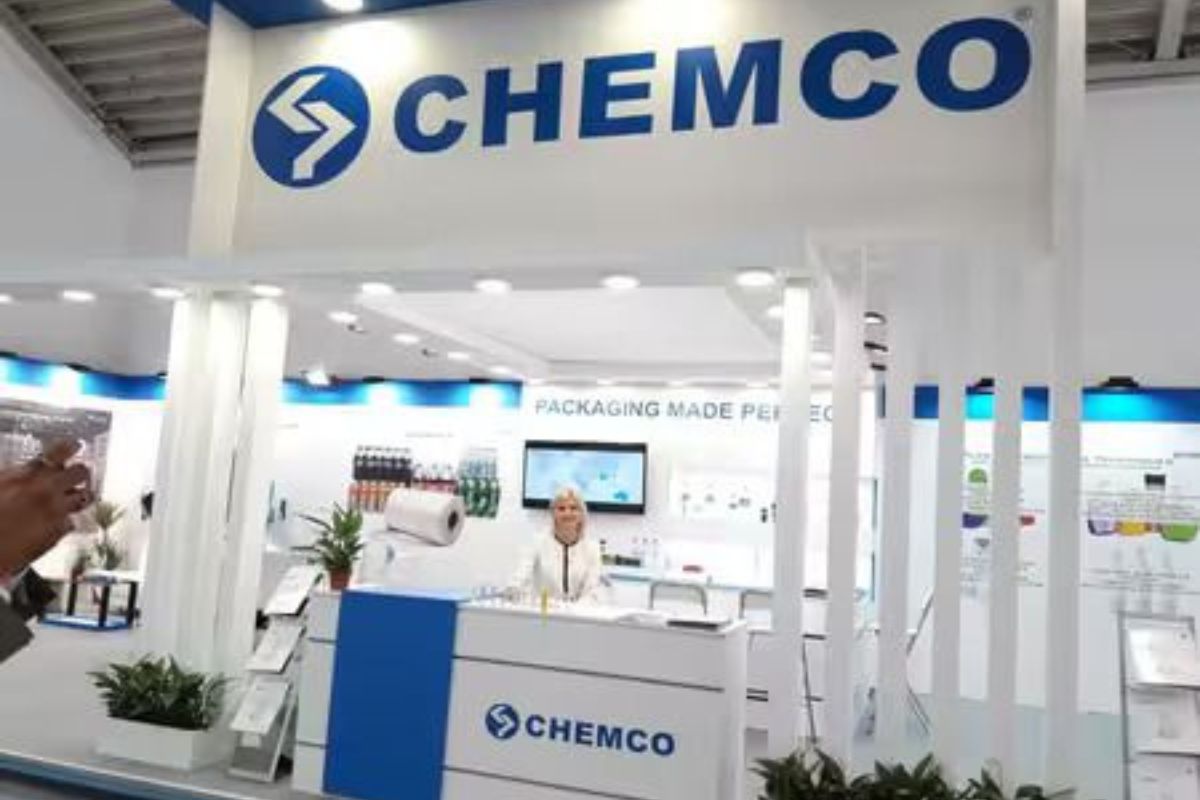
Chemco Plastic Industries’ ₹1,500-crore IPO relies on clients like Coca-Cola and PepsiCo to project future growth. But these beverage companies face binding Indian regulatory deadlines to use 40% recycled plastic by 2026. Chemco must use its new public capital to fund a massive transition to recycled plastic, or risk losing the core contracts driving its valuation.
Why do FMCG plastic pledges threaten the Chemco IPO?
Chemco’s planned Initial Public Offering highlights a client roster of global beverage giants, but those exact clients have strict mandates to phase out Chemco’s core product.
Coca-Cola has publicly committed to using at least 50% recycled material in its packaging by 2030. PepsiCo’s pep+ initiative dictates absolute reductions in virgin plastic-new, newly manufactured plastic resin-and according to recent corporate filings, the company already achieved a 6% global cut.
Chemco currently produces the virgin PET material these brands are phasing out. This IPO pits the supplier’s historical sales engine against the buyers’ compliance deadlines.
What is the production gap between virgin PET and rPET?
Chemco currently processes over 1,25,000 tons of plastic polymers annually into legacy virgin PET preforms, while its clients will soon legally require food-grade recycled PET (rPET).
Converting these manufacturing lines to produce rPET requires specialized, expensive technology. Food safety regulations mandate intensive decontamination technology-specifically solid-state polycondensation, a process that increases molecular weight and purifies polymers-to strip impurities from post-consumer waste.
This makes the manufacturing process more expensive and energy-intensive than virgin resin production. According to packaging analyst reports, rPET commands a premium, costing between $0.65 and $0.90 per pound compared to $0.55 to $0.75 for virgin PET. That conversion cost represents a strict financial hurdle for legacy suppliers attempting to retain global contracts.
How will Chemco use its IPO proceeds?
Investment banks Equirus, Axis Capital, and 360ONE frame the ₹1,500-crore target as a fund for capital expenditure and debt reduction, which Chemco will need to finance its mandatory rPET retrofits.
The required shift to rPET demands substantial capital. If the proceeds categorized under capital expansion are directed toward retrofitting production lines for recycled polymers, the IPO functions as a required capital injection rather than a pure growth multiplier. Without this funding, Chemco lacks the infrastructure to meet its buyers’ approaching environmental targets.
Are India’s EPR plastic regulations mandatory for suppliers?
Yes, India’s Extended Producer Responsibility (EPR) guidelines are legally binding regulations that force brands and their suppliers to use specific percentages of recycled plastic.
Under India’s updated Plastic Waste Management Rules, the EPR framework mandates that rigid plastic packaging must contain 30% recycled content in fiscal year 2025-26, increasing to 40% by 2026-27. Importers cannot count recycled content built into imported packaging toward their own obligation.
According to packaging compliance guidelines, brands sourcing packaging domestically have a direct route to compliance only through their suppliers’ certified recycled material. Legacy suppliers must comply with these rPET mandates or lose their contracts.
Will Coca-Cola and PepsiCo keep Chemco as a supplier?
These brands will likely stay if Chemco successfully uses its IPO funds to lead the rPET transition, but they will switch suppliers if Chemco fails to provide compliant materials on time.
Switching suppliers carries operational risks for FMCG brands. The mandatory transition creates a competitive divide between suppliers that can fund the upgrade and those that cannot.
Chemco’s management can utilize the IPO capital to lead the rPET pivot, locking in major clients against underfunded rivals. If the beverage brands support their historical partner through the retrofit, Chemco secures its revenue base for the next decade. If procurement teams prioritize immediate rPET availability over legacy relationships, the new machinery will run for a different set of clients.
Frequently Asked Questions
Why is Chemco raising ₹1,500 crore in its IPO?
According to its public filings, Chemco’s funds are earmarked for capital expenditure and debt reduction. This capital injection will be essential to cover the high machinery and conversion costs of shifting from virgin plastic to recycled PET (rPET) to meet client demands.
What are the recycled plastic mandates in India?
Under the Extended Producer Responsibility (EPR) framework of India’s Plastic Waste Management Rules, rigid plastic packaging must contain at least 30% recycled content by FY 2025-26, rising to 40% by FY 2026-27.
Why can’t FMCG companies just keep buying virgin plastic from Chemco?
Companies like Coca-Cola and PepsiCo face both internal corporate ESG targets-like Coke’s pledge to use 50% recycled material by 2030-and strict Indian government regulations that legally require a shift away from virgin plastic toward rPET packaging.
Editorial Independence & Corrections
Clarity Times is published by Beeps Venture Technologies LLP under strict editorial independence charters. We uphold rigorous sourcing and verification protocols. Noticed a factual omission or error? Review our Correction Protocols or contact our editorial desk at mail@claritytimes.org.

Praseetha K
Investigative journalist and research analyst contributing independent field reports and structural analysis for Clarity Times.