
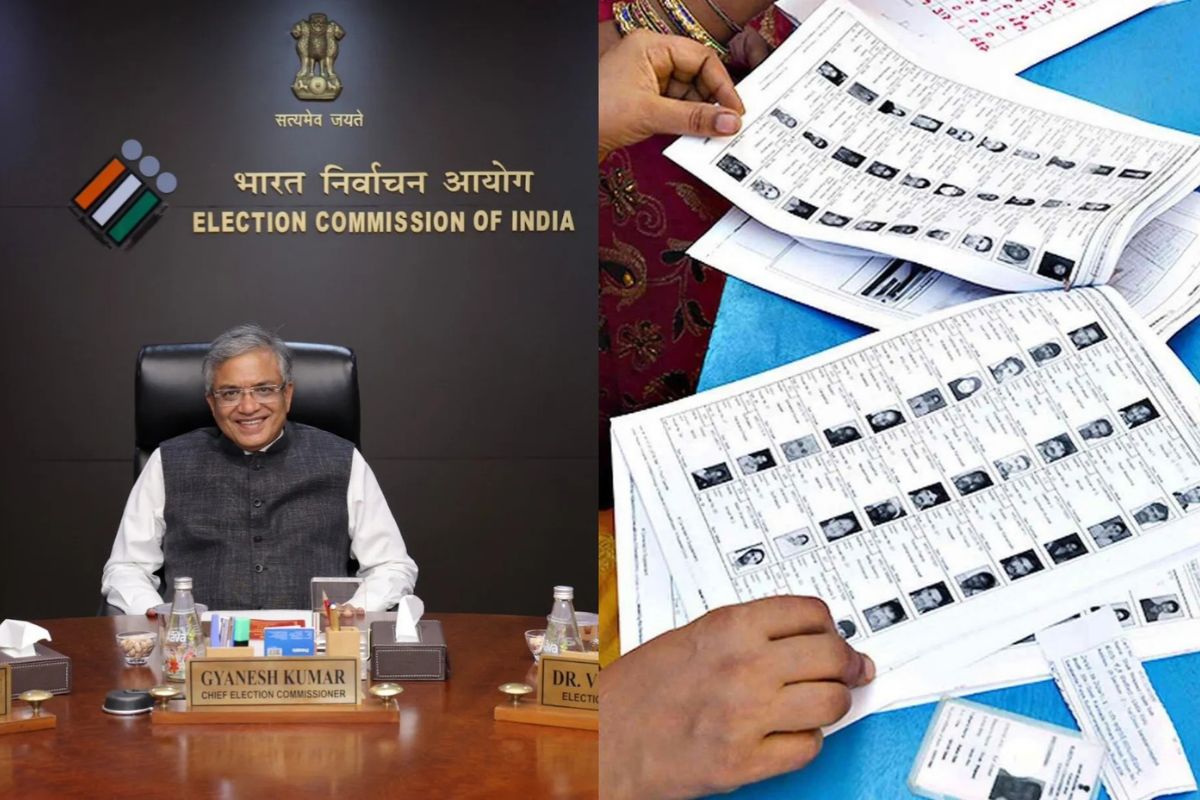
If a future Supreme Court Form 6 voter roll ruling invalidates the Election Commission’s revised enrollment paperwork, state election schedules will break down. Officials will face the logistical impossibility of retroactively auditing millions of finalized applications. This delayed legal collision risks stripping thousands of new voters of their franchise mere months before polling begins.
According to a legal and administrative timeline analysis by claritytimes.org, the absence of an immediate judicial stay has created an irreversible trap: election machinery is locking in voter lists that could be declared unlawful right before balloting starts.
What Did the Supreme Court Say About the New Form 6?
The Supreme Court of India did not approve modifications to Form 6, contradicting claims that the updated voter registration declaration carries judicial sanction.
During an October 5 hearing, Chief Justice of India Surya Kant addressed the bench: “Any modified Form 6 has not been approved by us. Let’s be clear.”
The Election Commission of India (ECI), the permanent constitutional body empowered under Article 324 to manage national and state elections, has nevertheless instructed state branches to finalize voter rolls under strict statutory deadlines for upcoming assembly election cycles using this exact paperwork.
What Is the Form 6 Dispute and Why Does It Matter?
The controversy involves Form 6, the statutory legal application established under the Registration of Electors Rules, 1960, which eligible citizens must submit to register as new voters.
Under the ongoing Special Intensive Revision (SIR), a localized verification exercise conducted to clean and update electoral rolls, the Commission issued an altered online version. This modified filing requires applicants to state whether they or their parents appeared in prior electoral revisions.
The Commission maintains that the core form remains intact under the Registration of Electors Rules, 1960, and that attaching an administrative declaration is legally sound.
Why Would a Retroactive Audit Cause an Election Nightmare?
A delayed court ruling against the Commission would force frontline election staff to conduct manual, case-by-case reviews of millions of locked registrations without enough time before polling.
Former Chief Election Commissioner S.Y. Quraishi highlighted the administrative breakdown triggered by the current procedure, noting it forces citizens into complex legal traps and exposes election personnel to criminal liability.
The Representation of the People Act, 1950, the central statute governing the preparation of electoral rolls and voter qualifications, mandates strict publication cutoffs. Civil courts lack jurisdiction to modify a finalized roll once published. Consequently, any judicial rollback would require booth-level officers to manually verify addresses and past family records for millions of applicants across entire states.
How Did the Supreme Court’s No-Stay Decision Create a Catch-22?
By declining to pause the revision drive while hearing arguments, the Supreme Court allowed administrative momentum to outrun judicial oversight.
On October 5, the bench declined to grant an interim stay against the ongoing enrollment drive or suspend Chief Election Commissioner Gyanesh Kumar.
Senior Advocate Menaka Guruswamy argued before the court that the unapproved changes constitute an “unlawful alteration” targeting first-time registrants.
The ruling party maintains that petitioners should wait for the final verdict rather than demonstrate on the streets. Yet without an interim stay, each passing week of data entry makes the resulting electoral roll harder to correct if the court eventually finds the changes unlawful.
How Many Voters Could Face Disenfranchisement?
Over 30 million young voters risk having their registration status thrown into dispute if the revised process is struck down.
According to Election Commission data released in September 2026, 3.27 crore new electors aged 18 to 28 have been added to the rolls since the revision cycle began in mid-2025.
If courts invalidate the altered declaration after voter rolls are sealed, local officials will lack the operational window to distinguish between lawful and defective submissions before ballots are cast. The procedural delay shifts the burden of institutional overreach directly onto first-time voters.
Frequently Asked Questions
How does a Supreme Court Form 6 voter roll ruling affect upcoming state elections?
If the Supreme Court strikes down the modified Form 6 after rolls are finalized, election officers will have to manually audit millions of entries or delay polls. Because the Representation of the People Act, 1950, enforces strict statutory roll publication deadlines, retroactive audits risk disenfranchising newly enrolled voters right before voting.
Did Chief Justice Surya Kant approve the changes to Form 6?
No. Chief Justice of India Surya Kant stated in court on October 5, 2026: “Any modified Form 6 has not been approved by us. Let’s be clear.” This statement directly refuted claims that the bench had sanctioned the Commission’s extra declaration requirements.
Why did the Supreme Court refuse to stay the Special Intensive Revision?
The Supreme Court chose not to issue an interim injunction on October 5, allowing the enrollment drive to proceed while arguments continue. Because no stay was granted, the Election Commission continues to register voters under rules that remain under constitutional challenge.
How many voters are affected by the Form 6 controversy?
According to official Election Commission figures, 3.27 crore new electors aged 18 to 28 registered between June 2025 and September 2026 under the Special Intensive Revision framework currently being challenged in court.

Praseetha K
Praseetha K is a senior researcher and editorial director at Clarity Times. With a strong background in policy analysis and socio-economic trends, she provides readers with unbiased, authoritative insights into complex legal and financial developments across India and the globe.