At Clarity Times, we examine what mainstream narratives omit. This dispatch investigates institutional incentives, policy fine print, and multi-dimensional community impacts.
Biotech companies can use the newly developed 8-letter DNA alphabet to legally patent synthetic versions of human genes. Because these artificial genetic sequences do not exist in nature, they bypass the 2013 Supreme Court ruling that banned corporations from owning naturally occurring human DNA.
How does 8-letter DNA bypass gene patent laws?
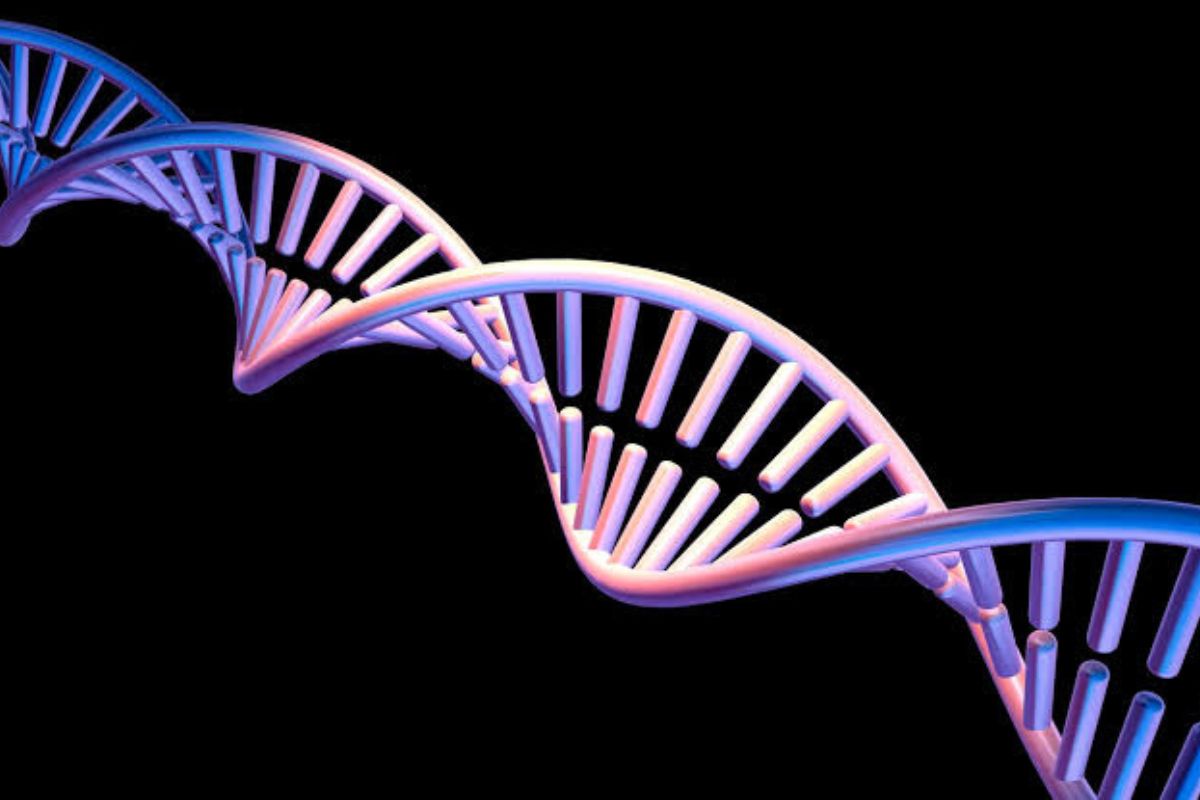
The biological system that allows enzymes to transcribe an 8-letter genetic code-a synthetic system containing four natural and four artificial base pairs-functions as a structural legal loophole. Standard human DNA operates on a four-letter alphabet. A specific natural sequence, such as one responsible for suppressing tumors, cannot be patented.
Recreating that exact biological function using a mix of natural and artificial letters alters its legal classification. Under United States Patent and Trademark Office (USPTO) guidelines, synthetically created products are eligible for patents as long as they are not structurally identical to naturally occurring compositions. The addition of synthetic base pairs provides the structurally different characteristics required to secure a patent.
Does the Myriad Genetics ruling apply to synthetic DNA?
The Supreme Court precedent prohibiting natural DNA ownership does not apply to fully synthetic genetic sequences. In 2013, the Supreme Court ruled in Association for Molecular Pathology v. Myriad Genetics-the landmark decision that prohibited patenting naturally occurring human genetic sequences-that isolating a human gene does not create a patentable invention.
This “product of nature” doctrine dictates that companies cannot own genetic sequences existing in human cells. The 8-letter system circumvents this precedent entirely.
In the same 2013 ruling, the court determined that complementary DNA (cDNA) is patent-eligible because a lab technician creates something new when making it. By that identical standard, a fully synthetic genetic sequence incorporating artificial letters qualifies as a non-natural, patentable invention.
Who is patenting the 8-letter DNA system?
Researchers and their associated institutions are actively securing intellectual property rights for the synthetic transcription system and the artificial alphabets. According to patent filings from the Foundation for Applied Molecular Evolution, the creators have outlined the structural requirements and thermodynamic stability of the 8-letter DNA.
These pending patents give the creators control over the specific synthetic building blocks-known as P, Z, B, and S-needed to assemble these novel genetic sequences.
How will synthetic gene patents affect medical pricing?
Converting natural genes into patented 8-letter formats gives corporations exclusive rights to develop and price the resulting RNA therapeutics. Before the Supreme Court intervened in 2013, the patent monopoly on the natural BRCA genes allowed a single entity to dictate the market price for testing patients.
A study published by the National Institutes of Health shows the patent holder charged between $3,000 and $4,000 per test. Immediately following the Supreme Court ruling that invalidated the patent, competitors entered the market and testing prices dropped to roughly $1,000 to $2,300.
Why do biotech companies need synthetic DNA patents?
The biotechnology industry maintains that circumventing the Myriad restriction is an economic requirement for funding drug development. Turning a raw 8-letter genetic sequence into a medical treatment requires years of clinical trials.
According to the Biotechnology Innovation Organization, developing a new biologic therapy costs over $1 billion. Pharmaceutical companies argue that without patent protection to guarantee a period of market exclusivity, investors will not fund the necessary research, leaving life-saving therapies undiscovered.
Frequently Asked Questions
Can companies patent natural human DNA? No. The 2013 Supreme Court ruling in AMP v. Myriad Genetics established the “product of nature” doctrine, banning corporations from patenting naturally occurring human genetic sequences.
Why is 8-letter DNA eligible for patents? The United States Patent and Trademark Office considers 8-letter DNA a patentable invention because the addition of artificial base pairs makes the sequence structurally different from anything found in nature.
Who controls the patents for 8-letter DNA? The Foundation for Applied Molecular Evolution and associated researchers have filed patents covering the structural requirements and specific synthetic building blocks (P, Z, B, and S) used in the 8-letter system.
Editorial Independence & Corrections
Clarity Times is published by Beeps Venture Technologies LLP under strict editorial independence charters. We uphold rigorous sourcing and verification protocols. Noticed a factual omission or error? Review our Correction Protocols or contact our editorial desk at mail@claritytimes.org.

Praseetha K
Investigative journalist and research analyst contributing independent field reports and structural analysis for Clarity Times.