At Clarity Times, we examine what mainstream narratives omit. This dispatch investigates institutional incentives, policy fine print, and multi-dimensional community impacts.
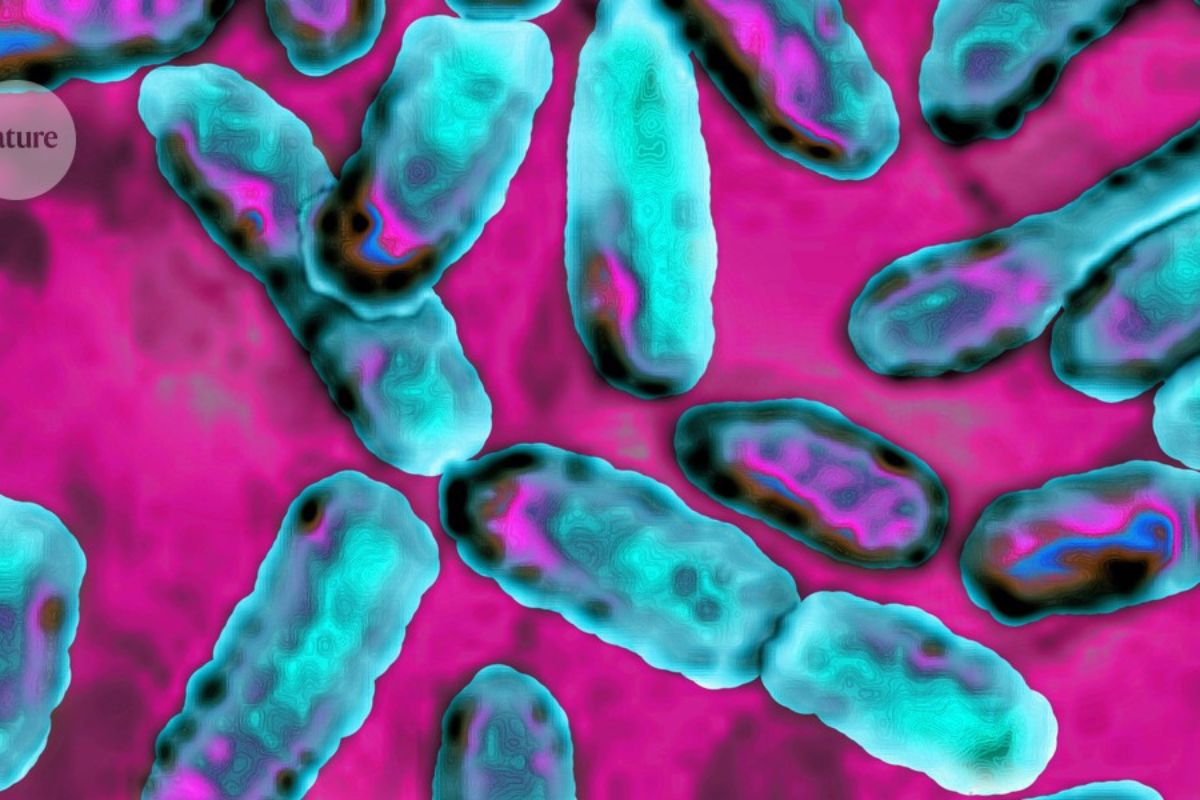
Breathing in air pollution doesn’t just chemically damage your lungs. Urban smog actually carries air pollution bacteria fragments directly into your airway. Airborne PM2.5 particles – microscopic soot less than 2.5 microns wide – are coated in endotoxins, the remains of dead bacterial cell walls. Inhaling this biological payload triggers immune reactions that turn dormant, harmless microbes into deadly infections.
How does smog act as a biological delivery vehicle?
Urban smog acts as a delivery vehicle by using PM2.5 particles to physically transport highly reactive bacterial cell walls directly into the human respiratory system.
Data published in Environmental Science & Technology demonstrates that PM2.5 particles function as physical carriers for endotoxins. The researchers found that endotoxins contribute disproportionately to the toxicity of PM2.5, driving cellular inflammation at rates far exceeding their actual physical mass.
Endotoxins are not alive. They are the structural remains of bacteria. Their presence on soot particles means urban pollution is a biological hazard, rather than a strictly chemical one.
How do air pollution bacteria fragments trigger deadly infections?
Endotoxins riding on smog particles impair the immune system, allowing dormant bacteria already living in the throat to invade lung tissue and cause pneumonia or sepsis.
About 60 percent of children naturally carry Streptococcus pneumoniae – a common respiratory bacterium – in their upper respiratory tracts without getting sick. When PM2.5 enters the airway, the biological endotoxins riding on the particles cause this harmless bacteria to become invasive.
Immunological research published by the National Institutes of Health details how PM2.5 exposure impairs macrophages. Macrophages are the immune cells responsible for engulfing and destroying pathogens. This impairment weakens the immune system’s ability to clear bacteria.
Further microbial genetics studies show that black carbon alters the structural composition of S. pneumoniae biofilms, spreading the bacteria from the nose to the lower respiratory tract. The immune system recognizes the dead bacterial fragments and mounts an aggressive defense. This specific hyper-stimulation creates the inflammatory environment that allows dormant S. pneumoniae strains to breach tissue barriers, leading to pneumonia, sepsis, or meningitis.
What did recent health and climate studies miss about PM2.5?
Recent epidemiological studies linked PM2.5 to bacterial infections but treated pollution solely as a chemical irritant, overlooking the highly reactive biological material attached to the soot.
A major epidemiological study published in September 2026 in Nature Microbiology linked PM2.5 exposure directly to a spike in these invasive bacterial infections. According to researchers at the Wellcome Sanger Institute, based on 59,000 cases in South Africa, specific bacterial strains drive immediate infection spikes following pollution exposure.
Subsequent reports treated the pollution purely as a chemical irritant that weakens lung defenses. This consensus isolates the pollution mass but does not account for the biological matter attached to it.
The Nature study relied on the national GERMS-SA surveillance programme and environmental indices, leaving the bio-aerosol composition of the PM2.5 as an uncontrolled variable. The authors of the Nature study maintain that environmental exposures broadly impact health, recommending genomic surveillance combined with general air quality monitoring to predict outbreaks.
Where do the biological components of smog come from?
The dead bacterial matter in urban smog originates from agricultural dust and wastewater treatment plants before binding to industrial emissions in the atmosphere.
The dead bacterial matter does not come from tailpipes or smokestacks. According to atmospheric tracking data published in Frontiers in Environmental Science, bioaerosols can contribute up to 25 percent of fine particulate matter mass.
Soot acts as a sponge. Microscopic debris from agricultural dust or urban wastewater treatment plants attaches to the carbon particles as they drift. This hybrid formation means a single inhalation brings biological material from distinct geographical sources directly into the human respiratory tract.
How should cities monitor biological air pollution?
Cities must shift from only measuring the physical mass of chemical soot to also monitoring the biological toxicity and endotoxin concentration of local air pollution.
Recognizing smog as a bio-aerosol carrier shifts how municipalities must defend against it. Standard mitigation tactics focus on particulate mass, not biological reactivity. Environmental monitoring agencies face a different mandate.
Because endotoxins demonstrate a toxicity-to-mass ratio up to 100,000 to 1, according to researchers in Environmental Science & Technology, reducing the overall volume of PM2.5 does not guarantee a proportional drop in its biological toxicity.
The structural makeup of the particle dictates the health response. Stopping chemical soot is one engineering problem; neutralizing a biological payload requires another.
Frequently Asked Questions
Can you get a bacterial infection from air pollution? Yes. Airborne PM2.5 particles carry dead bacterial fragments that impair the immune system and trigger massive inflammation. This reaction allows dormant bacteria already in your throat, like Streptococcus pneumoniae, to invade lung tissue and cause pneumonia or sepsis.
What are endotoxins in smog? Endotoxins are the structural remains of dead bacterial cell walls. In urban smog, these microscopic biological fragments bind to chemical soot particles, turning the pollution into a highly reactive biological hazard.
Why don’t standard air quality monitors track bacteria? Standard environmental monitoring focuses on the physical mass of fine particulate matter (PM2.5) rather than its biological composition. Because endotoxins are microscopic but highly toxic, measuring only the physical volume of soot misses the specific biological threat riding on it.
Editorial Independence & Corrections
Clarity Times is published by Beeps Venture Technologies LLP under strict editorial independence charters. We uphold rigorous sourcing and verification protocols. Noticed a factual omission or error? Review our Correction Protocols or contact our editorial desk at mail@claritytimes.org.

Praseetha K
Investigative journalist and research analyst contributing independent field reports and structural analysis for Clarity Times.