At Clarity Times, we examine what mainstream narratives omit. This dispatch investigates institutional incentives, policy fine print, and multi-dimensional community impacts.
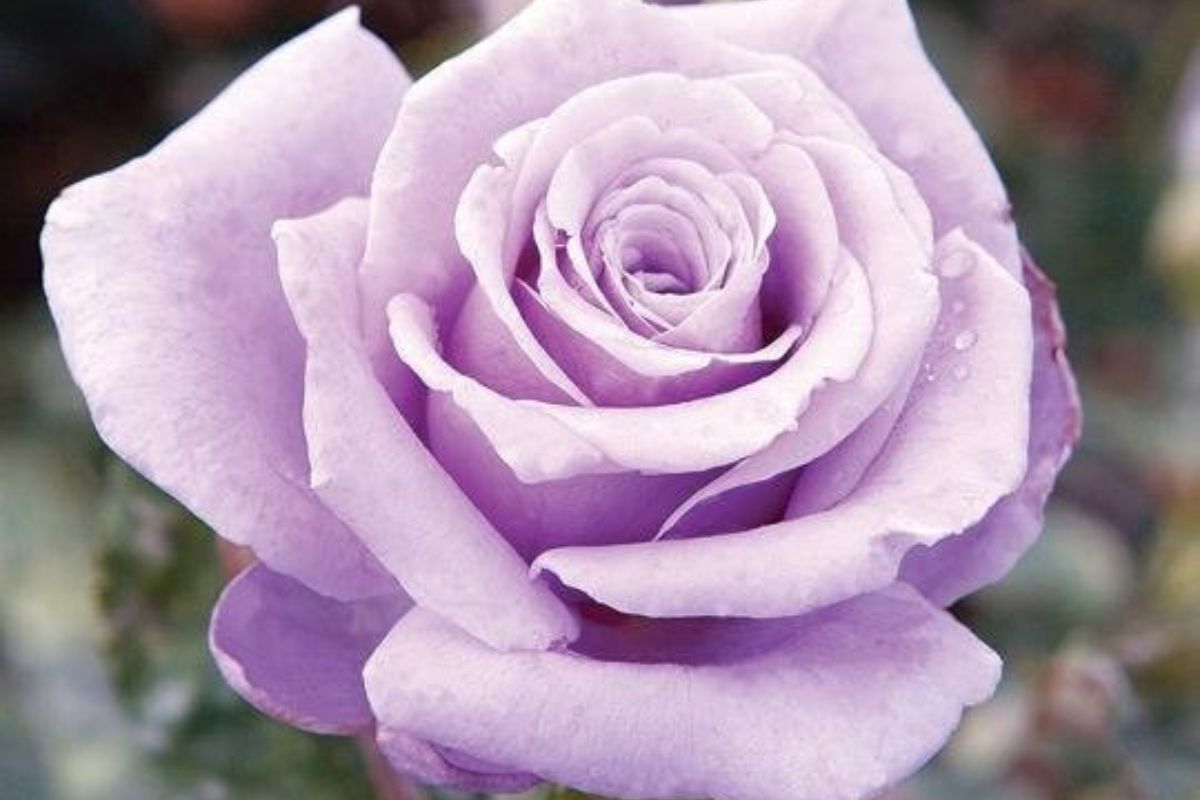
While the genetically engineered blue rose boasts a striking hue, it suffers from a dismal five-day vase life—falling far short of the 7 to 14 days expected from traditional varieties. Furthermore, the bloom lacks any natural scent. Forcing the plant to synthesize blue pigment exacts a heavy metabolic toll, effectively trading away the flower’s fragrance and durability just to achieve its novel color.
Why does the genetically engineered blue rose lack vitality?
Creating a true blue color comes at the direct expense of the plant’s baseline vitality. Plant breeding operates on a biological budget.
The transgenic blue rose falls short of standard commercial cultivars in structural longevity, volatile organic compound production, and disease resistance.
Botanical researchers analyzing the biosynthesis and regulation of plant flavonoids confirm that the overproduction of novel compounds carries a substantial metabolic cost. The biological data show the blue pigment is not an additive feature; it acts as a metabolic tax on the entire organism.
| Feature | Traditional Commercial Rose | Genetically Engineered Blue Rose |
|---|---|---|
| Vase Life | 7 to 14 Days | ~5 Days |
| Natural Fragrance | Robust (High VOCs) | Zero |
| Disease Resistance | High | Low (Susceptible to pathogens) |
Does the blue rose have natural fragrance?
The blue rose produces zero natural fragrance. The flower lacks the robust profile of volatile organic compounds (VOCs), the chemicals responsible for a plant’s natural scent, that give traditional roses their signature smell.
This absence is a structural consequence of the genetic modification. To create the blue color, researchers spliced the F3’5’H gene from a pansy into the rose genome.
Redirecting the plant’s chemical pathways to generate delphinidin forces a biological trade-off. Biochemists studying flavonoid biosynthesis demonstrate that overproducing novel anthocyanins diverts precursor molecules, effectively shutting down the biological machinery required to produce traditional aromatic compounds.
What is the blue rose vase life?
The blue rose wilts in roughly five days, falling well short of the industry standard. Commercial red and white roses are bred to survive a rigorous global supply chain, and premium standard roses often last 12 to 14 days in a vase.
This shortened lifespan presents a mathematical problem for wholesale buyers. Commercial floral distributors rely on a minimum vase-life of at least one week for a flower to survive transit from equatorial farms to retail florists and still offer value to the consumer.
The biotech companies responsible for the blue rose maintain that these initial transgenic plant trade-offs are standard in agricultural development. Their representatives note that early iterations of novel ornamentals often require trait sacrifices, and that subsequent versions will use backcrossing to restore lost characteristics. The current flower, they argue, serves as a proof of concept rather than a finalized commercial product.
How does delphinidin weaken the plant?
The physical weaknesses stem from how transgenic plants allocate resources to synthesize delphinidin, the specific chemical compound responsible for blue pigmentation in flowers. Roses do not naturally possess the genetic pathway to produce this pigment.
When the engineered gene activates, the plant diverts cellular energy to manufacture the alien compound. Experts studying isoprenoid and flavonoid networks explain that synthesizing these compounds drains interconnected regulatory systems dynamically.
This diversion leaves less metabolic energy for cell wall maintenance and immune defense. The stem grows weaker, and the plant’s natural ability to fight off environmental threats diminishes.
Can commercial growers scale the blue rose?
Without robust metabolic defenses, the blue rose struggles against routine agricultural threats, making commercial cultivation difficult. Field trial observations indicate the transgenic plant is highly susceptible to common horticultural diseases.
Research into agricultural cultivation shows that rose varieties lacking natural immunities easily succumb to powdery mildew and black spot, requiring strict environmental controls.
Commercial growers operate on tight margins that require high crop yields and low pesticide dependence. A rose variety vulnerable to routine greenhouse pathogens forces growers to choose between applying heavier chemical interventions or accepting lower harvest rates.
Frequently Asked Questions
How long does the genetically engineered blue rose last?
The blue rose has a vase life of roughly five days. This is significantly shorter than traditional commercial roses, which typically last 7 to 14 days in a vase.
Why doesn’t the blue rose smell like a real rose?
The genetic modification that creates the blue pigment diverts the plant’s metabolic resources away from producing scent molecules. As a result, the blue rose produces zero natural fragrance.
Is the blue rose available for commercial florists?
Widespread commercial availability is currently hindered by the flower’s compromised hardiness and short vase life. The plant’s heightened susceptibility to routine diseases makes it difficult for commercial farms to grow profitably on tight margins.
Editorial Independence & Corrections
Clarity Times is published by Beeps Venture Technologies LLP under strict editorial independence charters. We uphold rigorous sourcing and verification protocols. Noticed a factual omission or error? Review our Correction Protocols or contact our editorial desk at mail@claritytimes.org.

Praseetha K
Investigative journalist and research analyst contributing independent field reports and structural analysis for Clarity Times.