At Clarity Times, we examine what mainstream narratives omit. This dispatch investigates institutional incentives, policy fine print, and multi-dimensional community impacts.
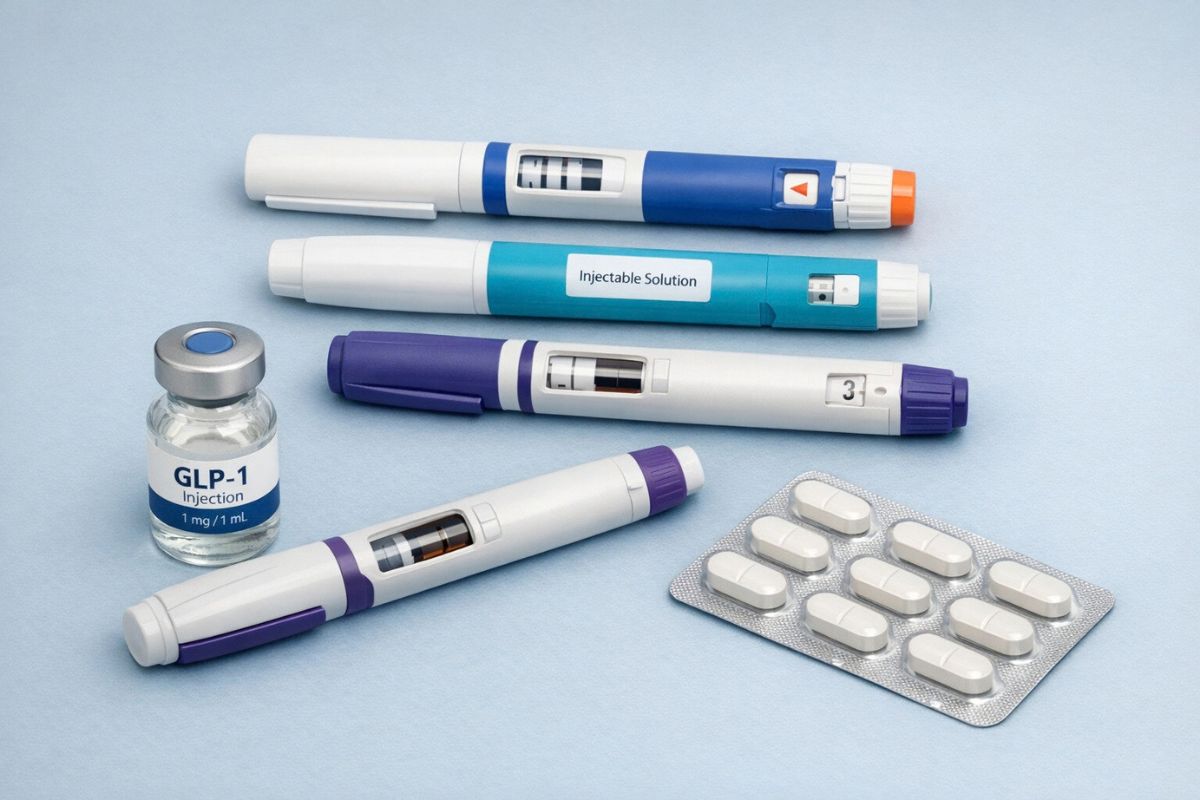
Ninety-five percent of children on GLP-1s, drugs that suppress appetite by mimicking an intestinal hormone, fail to receive nutritional counseling because most pediatric GLP-1 prescriptions no longer originate in specialized obesity clinics. Direct-to-consumer telehealth platforms and general pediatricians now drive prescribing volume. These providers structurally lack the in-house dietitians required by clinical guidelines to prevent malnutrition.
Where Do Pediatric GLP-1 Prescriptions Originate?
The majority of pediatric GLP-1 prescriptions now originate from direct-to-consumer telehealth platforms and general practice clinics, bypassing specialized pediatric weight-loss centers. Children receiving these medications miss dietary support at the point of prescription because of who authorizes the injections.
As demand outpaces the capacity of specialized clinics, prescribing has shifted to faster access points. According to industry analyses of prescription pathways, telehealth prescribing is now a mainstream avenue for initiating therapy. Digital health platforms and general practitioners capture the bulk of the market as medication access expands.
Why Don’t Telehealth Platforms Offer Nutritional Counseling?
Direct-to-consumer prescribing platforms operate on subscription models engineered for rapid pharmacological access that generally exclude integrated Medical Nutrition Therapy. A review of telehealth terms of service shows that base subscription tiers cover only the physician consultation and the drug authorization.
Medical Nutrition Therapy, an evidence-based nutritional diagnostic and therapeutic service provided by registered dietitians, is generally excluded from standard telehealth memberships. Patients seeking dedicated pediatric dietitians must pursue and pay for them out of pocket, separate from their core telehealth prescription.
What Are the Nutritional Risks of Pediatric Weight-Loss Drugs?
Nearly one in six adolescents on GLP-1s developed a diagnosed nutritional deficiency within a year, yet only 5 percent received dietary counseling. The consequences of prescribing without integrated dietary support appear in recent clinical outcomes.
A Northwestern University study analyzed administrative claims data for over 2,000 patients aged 10 to 17 taking GLP-1s. The researchers found that nearly 17 percent developed a diagnosed nutritional deficiency within a year. According to the Northwestern University findings, Vitamin D deficiency affected 12 percent of the cohort.
Why Are Parents Bypassing Specialist Obesity Clinics?
Parents bypass specialist clinics because Tier 1 multidisciplinary pediatric weight-management centers routinely carry waitlists extending for months. Telehealth platforms and general pediatricians note that their high prescribing volume is a symptom of this restricted medical system.
The American Academy of Pediatrics recommends intensive health behavior and lifestyle treatment, calling for 26 hours of face-to-face multidisciplinary contact. This recommendation creates a bottleneck at specialized clinics because current reimbursement models rarely cover these intensive hours.
The resulting wait times force families who meet clinical criteria for early intervention to rely on general pediatricians or virtual platforms. These providers offer immediate drug access without the wrap-around dietary care.
Do Telehealth Laws Require Dietary Counseling for Minors?
State regulations governing telehealth prescribing for minors do not mandate concurrent dietary counseling when physicians authorize anti-obesity medications. This shift away from specialized centers operates entirely within current legal frameworks.
Medical boards across the United States permit remote prescribing by physicians, nurse practitioners, and physician assistants. State law requires a thorough medical review before prescribing, but stops short of mandating structural support.
Without regulatory requirements binding the prescription to a nutritional protocol, the 95 percent counseling gap remains a structural default. Adolescents receive the appetite suppression, but nutrient tracking is left to chance.
Frequently Asked Questions
Why do kids on GLP-1s get nutritional deficiencies? GLP-1 medications suppress appetite, making it difficult for growing adolescents to consume enough nutrients during a critical window of physical development. A recent Northwestern University study found nearly one in six adolescents developed deficiencies, such as low Vitamin D, within a year of starting treatment.
Does telehealth cover nutrition for weight-loss drugs? Standard direct-to-consumer telehealth subscriptions usually cover only the physician consultation and drug authorization. Medical Nutrition Therapy is generally excluded from basic memberships, forcing families to find and pay for dietitians out of pocket.
Are general pediatricians supposed to prescribe GLP-1s? Medical boards permit general pediatricians to prescribe GLP-1s, and many do so because specialized pediatric obesity clinics have months-long waitlists. However, most primary care practices lack the in-house dietitians recommended by the American Academy of Pediatrics to monitor patients on these medications safely.
Editorial Independence & Corrections
Clarity Times is published by Beeps Venture Technologies LLP under strict editorial independence charters. We uphold rigorous sourcing and verification protocols. Noticed a factual omission or error? Review our Correction Protocols or contact our editorial desk at mail@claritytimes.org.

Praseetha K
Investigative journalist and research analyst contributing independent field reports and structural analysis for Clarity Times.