At Clarity Times, we examine what mainstream narratives omit. This dispatch investigates institutional incentives, policy fine print, and multi-dimensional community impacts.
Public school teachers, police officers, and city workers are losing weight-loss drug benefits because municipal self-insured health plans directly absorb these prescription costs. To balance budgets against soaring pharmacy deficits, local governments are raising baseline premiums. Some are also freezing scheduled wage increases or slashing GLP-1 coverage for public employees entirely.
Instead of generating long-term healthcare savings, expensive GLP-1 prescriptions are forcing cities to cut wages and benefits for all municipal workers to keep their self-insured funds solvent.
Why are anti-obesity medications bankrupting municipal health plans?
GLP-1 medications have escalated into a massive financial liability for public employee health trusts, forcing plans to choose between ending coverage or facing insolvency.
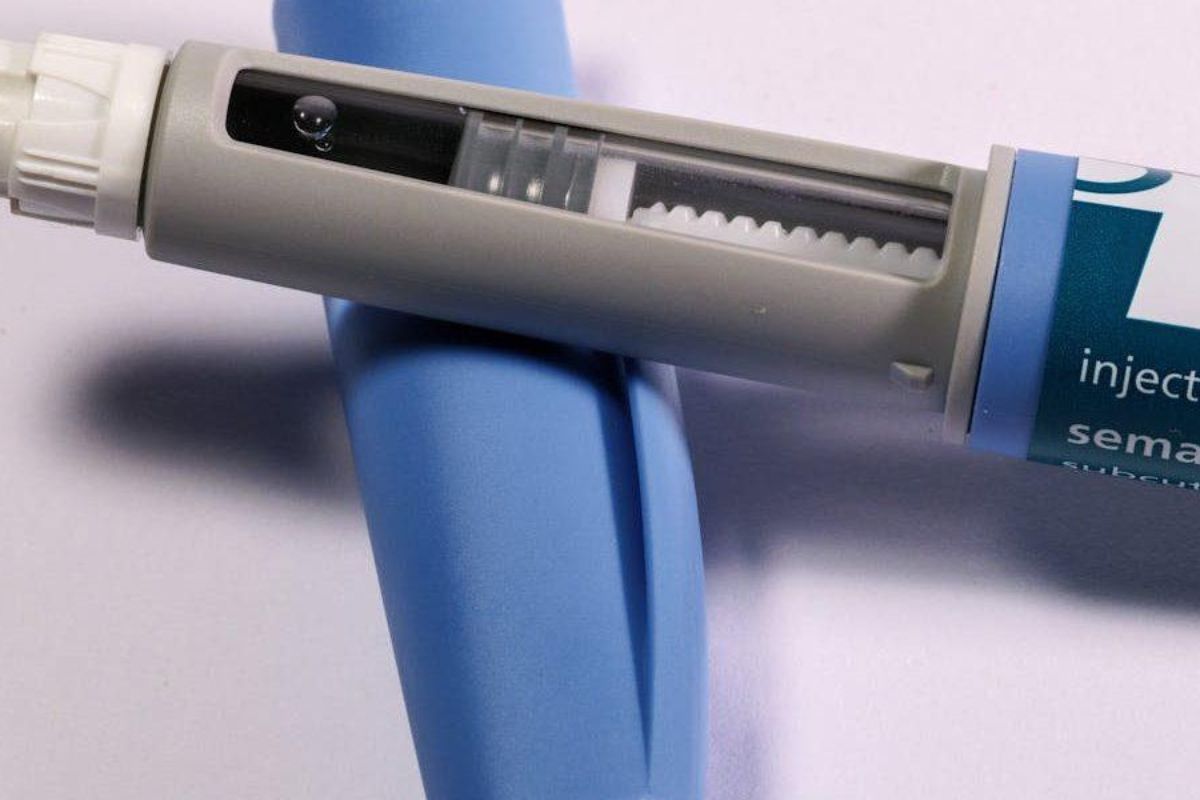
GLP-1 receptor agonists are a class of medications that stimulate insulin production and reduce appetite. In North Carolina, the State Health Plan saw monthly GLP-1 prescription costs jump from $3 million to more than $14 million over three years before rebates, according to plan administrative records. The medications were projected to cost the state plan $170 million in a single year and surpass $1 billion over six years, according to State Treasurer Dale Folwell.
Trustees possess a strict legal fiduciary duty under state law to maintain solvency for the entire employee population. Permitting a single drug class used by a fraction of workers threatens the plan’s ability to cover basic healthcare for the remaining members. Facing a projected $4.2 billion total budget gap over five years, the North Carolina State Health Plan board voted 4-3 to end GLP-1 weight-loss coverage entirely, as reported by the Associated Press.
How do self-insured city plans pay more for GLP-1s than corporations?
Statutory procurement laws restrict how cities negotiate contracts with Pharmacy Benefit Managers, leaving public plans with lower rebate percentages and higher net costs than private employers.
Self-insured health plans require the employer to directly pay every dollar of medical claims rather than paying fixed premiums to an outside insurance company. They rely on Pharmacy Benefit Managers (PBMs). PBMs are third-party companies that negotiate drug prices and secure manufacturer rebates on behalf of health plans.
Public records show municipal self-insured trusts often receive lower effective pass-through rebate percentages on GLP-1s than Fortune 500 employers. In North Carolina, the state paid $139 million for current prescriptions because the manufacturer and the PBM CVS Caremark suspended an $85 million rebate offer during a coverage dispute, according to state treasurer records. PBMs utilize spread pricing and retention models that obscure the true cost of the drug, leaving employers without 100 percent rebate pass-through guarantees to absorb the inflated list prices.
How do GLP-1 pharmacy costs affect public worker wages?
To offset GLP-1 pharmacy deficits, municipal plan trustees are shifting the financial burden directly onto workers through broad premium increases and delayed salary raises.
Pharmacy deficits force direct operational cuts. To balance the ledgers, public employee health trustees calculate specific per-worker premium hikes. North Carolina Deputy Treasurer Frank Lester noted that maintaining GLP-1 weight-loss coverage would raise premiums by $48.50 per month for teachers and other state employees, effectively doubling the premium for individual subscribers, according to Fierce Healthcare.
Public employee unions argue these actions disrupt established care plans. Workers frequently trade higher private-sector cash salaries for stable, comprehensive public benefits. The State Employees Association of North Carolina explicitly focused its recent advocacy on securing full funding for the retirement system and state health plan against the high cost of GLP-1 drugs to protect scheduled 3 percent worker pay raises, according to the union’s legislative agenda.
Why doesn’t the preventative savings model work for public employers?
Cities pay the upfront retail price for anti-obesity medications, but employees usually leave public service or abandon the medication long before the municipal plan captures any downstream cardiovascular savings.
Pharmaceutical manufacturers state that covering the medications pays for itself by preventing downstream medical events. Obesity is a recognized chronic metabolic disease associated with type 2 diabetes, stroke, and cardiovascular disease – conditions that cost public systems billions. Manufacturers argue that carving out anti-obesity medications while covering end-stage treatments for organ failure is clinically discriminatory and shortsighted.
Independent benefits modeling proves this pharmaceutical return-on-investment thesis fails for local governments. The break-even horizon on avoided cardiovascular events requires 10 or more years of continuous adherence. Average public worker job tenure sits well below that threshold.
Commercial and public claims data show most patients stop treatment. A 2024 study by Prime Therapeutics found that only 32 percent of users remained on GLP-1 therapy at the end of year one, and just 8.3 percent remained at three years. Cities pay the upfront retail price, but employees abandon the medication long before the municipal plan captures downstream medical savings. Anti-obesity medications are now driving total prescription drug trend increases above 11 percent, according to an annual survey by actuarial consulting firm Segal.
What administrative hurdles are cities placing on weight-loss drugs?
Employers retaining coverage are engineering strict non-clinical prior-authorization requirements, like mandated step therapy, to intentionally slow prescription adoption without formally announcing repeals.
Unable to absorb the structural deficits, employers are adopting non-clinical prior-authorization hurdles. According to the Business Group on Health, employers retaining coverage are adding prior authorization requirements and tightening eligibility thresholds like higher body mass index minimums.
This attrition funnel reduces the immediate financial outflow but shifts the administrative burden directly onto the employees attempting to maintain their prescriptions.
| Employer Type | GLP-1 Coverage Retention | Average Rebate % |
|---|---|---|
| Fortune 500 Corporate | High (~85%) | ~40-50% |
| Municipal / Public Trust | Declining (~45%) | ~15-25% |
| State Health Plans | Low / Removing | Variable |
Frequently Asked Questions
Why are city health insurance premiums increasing? Local governments are raising baseline premiums for all employees to cover soaring pharmacy deficits caused by expensive GLP-1 weight-loss prescriptions. Cities operating self-insured plans must absorb these drug costs directly, forcing them to pass the expense onto workers.
Do public employees get to keep their weight loss medications? Many are losing access as municipal health plans vote to end GLP-1 coverage or implement strict prior-authorization hurdles, such as requiring higher body mass index minimums or verified attendance in commercial weight-loss apps.
Why don’t municipal health plans get better drug rebates? Statutory public procurement laws limit how cities negotiate contracts with Pharmacy Benefit Managers (PBMs). This leaves public trusts with lower effective pass-through rebate percentages on GLP-1 medications compared to Fortune 500 companies.
Editorial Independence & Corrections
Clarity Times is published by Beeps Venture Technologies LLP under strict editorial independence charters. We uphold rigorous sourcing and verification protocols. Noticed a factual omission or error? Review our Correction Protocols or contact our editorial desk at mail@claritytimes.org.

Praseetha K
Investigative journalist and research analyst contributing independent field reports and structural analysis for Clarity Times.