At Clarity Times, we examine what mainstream narratives omit. This dispatch investigates institutional incentives, policy fine print, and multi-dimensional community impacts.
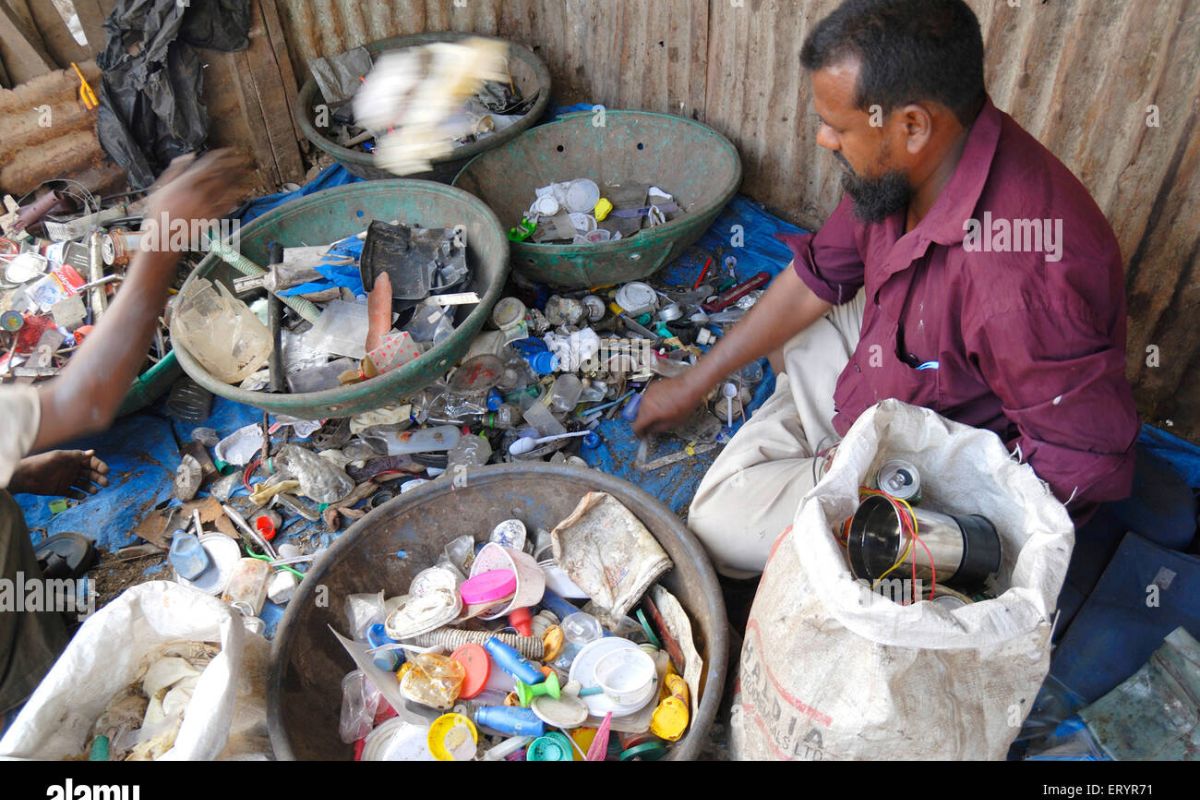
Cities are diverting high-value dry waste directly to centralized Material Recovery Facilities to meet corporate compliance targets, starving local scrap dealers of inventory. Without access to lucrative plastics and cardboard, these neighborhood aggregators are losing 30 to 45% of their monthly revenue, pushing them out of business.
Why Are Local Scrap Dealers Losing Their Supply Chain?
Exclusive municipal waste contracts are starving traditional neighborhood scrap shops of their core inventory by routing high-value plastics directly to corporate facilities. Prior to municipal intervention, these local shops served as the primary aggregation point for independent waste pickers.
Ledger data shared by six traditional scrap dealers in Delhi and Bengaluru wards where municipal intervention is active shows a stark reality. Following the introduction of exclusive corporate contracts, these micro-dealers recorded a 30 to 45% drop in their monthly inventory of high-value materials like polyethylene terephthalate (PET) and cardboard.
This localized volume drop aligns with research published in The India Forum, which notes that informal recyclers across major cities report sharply declining access to recyclables as private contractors monopolize collection.
“Before the municipal trucks started taking the dry waste directly to the recovery facility, I received up to 500 kilograms of cardboard and plastic a day,” says one mid-tier scrap dealer in South Delhi. “Now, we are lucky to see half of that.”
Another dealer in Bengaluru notes that exclusive contracts with large Producer Responsibility Organizations-corporate entities managing waste compliance-mean the high-value scrap bypasses their shops entirely.
How Do Scrap Dealers Finance Independent Waste Pickers?
Traditional scrap dealers operate as informal micro-financiers, offering daily cash advances and emergency loans to waste pickers that formal institutions do not provide. Removing the neighborhood scrap dealer severs an active financial lifeline for these workers.
According to documentation by the Women in Informal Employment: Globalizing and Organizing (WIEGO) network, scrap dealers regularly advance daily cash to waste pickers. These trust-based credit models, which range from 200 to 500 rupees per advance, are issued against future scrap deliveries.
Waste pickers rely on this immediate liquidity to fund daily household emergencies. Formal non-governmental organization (NGO) and municipal programs typically issue identification cards and shift workers to fixed-wage or contract structures. They do not replicate the daily cash advances or emergency credit models provided by the independent dealers.
What is Driving the Shift to Centralized Waste Collection?
The shift toward centralized collection is driven by India’s Plastic Waste Management Rules, which mandate Extended Producer Responsibility (EPR) targets for corporations. EPR is a policy framework requiring manufacturers to fund the recycling and safe disposal of their packaging.
Under these rules, corporations must meet strict recycling targets. The 2022 amendments require producers to scale up to 100% recycling for certain packaging categories by 2027-28. To meet these targets, municipal tenders increasingly favor large, mechanized Material Recovery Facilities backed by corporate funding. A Material Recovery Facility (MRF) is a specialized industrial plant that separates and bales municipal recycling to be sold to end buyers.
Municipal bodies defend this shift. Local waste management authorities and corporate compliance officers maintain that centralized formalization is necessary. They argue the traditional system lacks verifiable waste traceability, cannot scale processing volumes efficiently, and sustains hazardous manual sorting conditions.
Why Can’t Micro-Dealers Survive the New Waste Economy?
Corporate traceability mandates incentivize the monopolization of high-value dry waste, leaving micro-dealers with fixed overhead costs but up to 45% less revenue. Corporations depend on digitized traceability to prove they have met their recycling targets.
Industry analyses of the current EPR framework show that large MRFs can generate the formal compliance certificates required by the government. Unorganized scrap dealers cannot produce this documentation, pushing them out of the corporate supply chain.
Financial breakdowns provided by five neighborhood scrap yards illustrate the margin compression. While revenue has fallen due to lower inventory volumes, fixed costs like sorting yard rent, transport fuel, and electricity continue to drain the dealers’ capital.
Wholesale scrap market trends over the past two years indicate that as a handful of corporate-backed entities secure exclusive collection rights, they gain the power to dictate purchase prices for recycled plastics and paper. Independent dealers must accept lower margins from these centralized buyers or exit the market.
Can Municipalities Integrate the Informal Recycling Economy?
Hybrid models proposed by labor advocates suggest integrating existing micro-dealers into the formal traceability chain rather than replacing them with corporate facilities. Labor advocates argue that destroying mid-tier aggregators destabilizes the financial structure of the broader informal workforce.
“When you remove the neighborhood kabadiwala, you remove the liquidity of the entire informal workforce,” says an advocate for the International Alliance of Waste Pickers. The organization has consistently stated that focusing strictly on corporate compliance targets ignores the livelihood concerns of the micro-entrepreneurs who built the recycling system.
Alternative regulatory frameworks exist that attempt to incorporate waste pickers without eliminating the intermediary scrap aggregation network.
Policy proposals from cooperatives like SWaCH in Pune demonstrate an alternative path. These hybrid models advocate for integrating existing micro-dealers into the EPR traceability chain by registering them as recognized aggregators. This approach utilizes their established collection networks rather than bypassing them.
Frequently Asked Questions
Why are traditional kabadiwalas losing business? Municipalities are granting exclusive dry waste collection contracts to centralized Material Recovery Facilities. This routes high-value materials like PET plastics and cardboard around local scrap dealers, causing them to lose 30 to 45% of their monthly revenue.
How do scrap dealers help waste pickers financially? Neighborhood scrap dealers act as informal micro-financiers for independent waste pickers. They provide trust-based daily cash advances between 200 and 500 rupees against future scrap deliveries, offering immediate financial liquidity that formal wage programs do not replicate.
What is Extended Producer Responsibility in India’s waste sector? Extended Producer Responsibility (EPR) is a regulatory mandate requiring corporations to fund the recycling of their packaging. To meet these targets and generate required compliance certificates, companies bypass informal dealers in favor of large, mechanized recovery facilities.
Editorial Independence & Corrections
Clarity Times is published by Beeps Venture Technologies LLP under strict editorial independence charters. We uphold rigorous sourcing and verification protocols. Noticed a factual omission or error? Review our Correction Protocols or contact our editorial desk at mail@claritytimes.org.

Praseetha K
Investigative journalist and research analyst contributing independent field reports and structural analysis for Clarity Times.