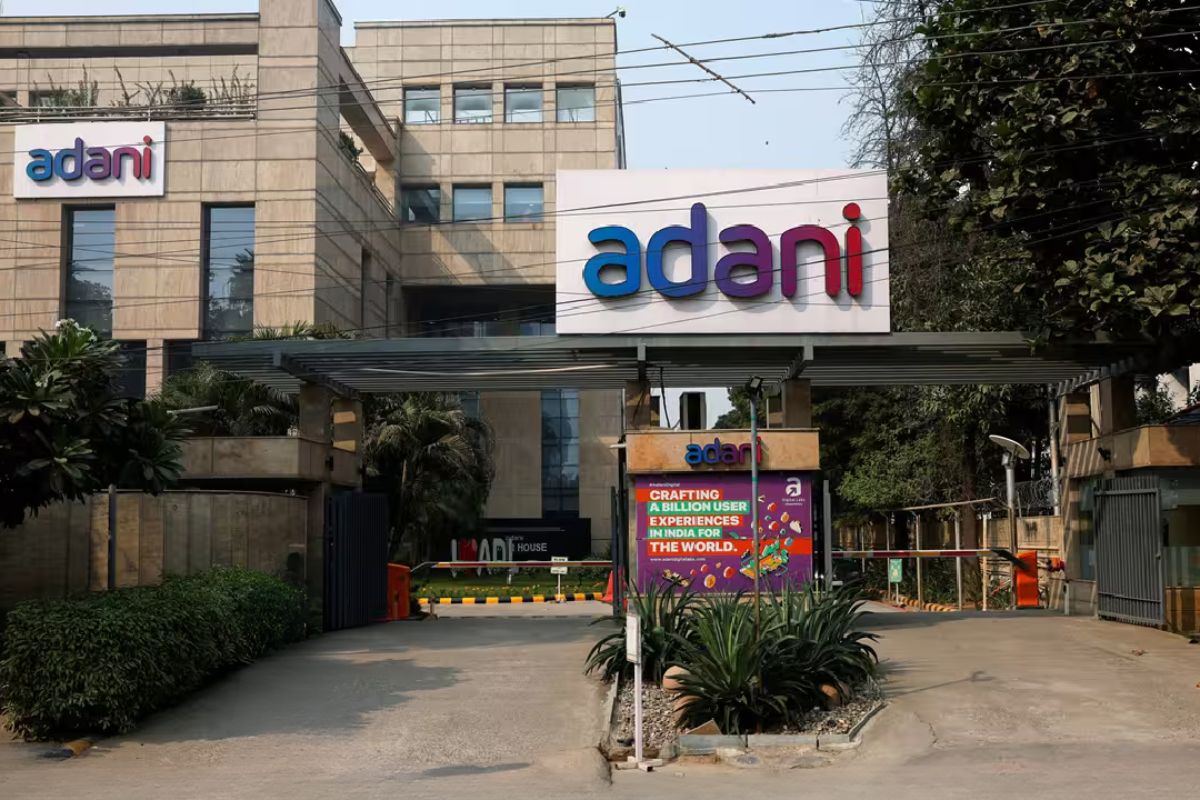
At Clarity Times, we examine what mainstream narratives omit. This dispatch investigates institutional incentives, policy fine print, and multi-dimensional community impacts.
The new Adani-Kachchh University Centre of Excellence expects to train 10,000 students annually for the renewable energy sector. However, the available permanent jobs at the Adani Khavda solar park fall drastically short. According to project profiles and energy workforce research, permanent operational roles represent a tiny fraction of total project headcount, leaving a massive surplus of green energy graduates.
The Gap Between Graduates and Permanent Roles
The official memorandum of understanding sets an annual intake target of 10,000 students for the new training facility. These graduates will enter a labor market structured heavily around the nearby Khavda renewable energy park. According to industry estimates, the massive 30-gigawatt Khavda site will generate approximately 15,200 direct jobs over its entire lifetime—but this figure combines temporary construction with permanent operational roles.
Because these figures front-load short-term construction phases, the long-term permanent headcount is relatively small. Comparing the university’s intake against the site’s operational capacity yields a strict mathematical disparity. For every permanent technical position created at Khavda, the Adani Skills & Education facility will produce a massive surplus of trained graduates.
Why Do Mega-Parks Generate So Few Permanent Jobs?
Renewable energy mega-parks run on front-loaded labor. Building a 30-gigawatt site requires thousands of temporary construction workers to pour concrete, assemble solar arrays, and erect wind turbines. Once completed, operating the site relies heavily on automation.
Networks of connected sensors and systems like SCADA (Supervisory Control and Data Acquisition) run the completed grids. According to a 2026 study by the Council on Energy, Environment and Water (CEEW) titled “Driving Energy Transition”, large-scale utility projects are highly automated compared to decentralized systems.
| Solar Project Type | FTE Job-Years Created (per MW) |
|---|---|
| Ground-Mounted (Utility-Scale) | 1 FTE / MW |
| Rooftop Solar (Decentralized) | 45 FTE / MW |
A review of Adani Green Energy’s operational plan for Khavda reveals a limited number of specialized positions in data analytics, machine learning, and robotic solar module installation, rather than mass manual employment.
Where Will the Surplus Graduates Find Employment?
The strict limit on local placement forces most graduates to look beyond the Khavda facility. Kachchh University administrators point to India’s broader goal of reaching 500 gigawatts of renewable capacity by 2030, arguing that high-tech training equips students for green energy jobs anywhere in the country.
However, the transferability of the specific Adani-tailored curriculum remains untested. Previous state-sponsored solar training programs like Suryamitra achieved an average placement rate of just 51 percent due to a mismatch between local training numbers and actual project requirements. Independent renewable energy recruiters prioritize broad foundational engineering over single-site operational training.
What Does the “21,000 Jobs” Claim Actually Represent?
The public rollout of the Centre leaned on large aggregate employment figures to justify the investment. An October Adani press release stated the Khavda project has already generated 21,000 direct and indirect jobs.
Corporate annual reports confirm these roles overwhelmingly involve manpower mobilization, infrastructure development, and indirect services during the construction phase. Security guards, transport drivers, and catering staff make up the bulk of these numbers—positions that do not require an advanced degree in microgrids or battery storage systems.
Frequently Asked Questions
How many permanent jobs will the Adani Khavda solar park create?
The 30-gigawatt site relies heavily on automation. According to CEEW data, ground-mounted solar yields just 1 full-time equivalent job-year per megawatt, meaning permanent engineering roles represent a tiny fraction of total project jobs.
What will graduates from the Adani-Kachchh University Centre do?
While the facility expects to train 10,000 students annually, the mathematical surplus means most will need to seek green energy jobs outside Kutch. Historical data from similar programs shows an average placement rate of around 51 percent.
Why did Adani announce 21,000 jobs for the Khavda project?
The 21,000 figure aggregates direct and indirect employment. Most of these roles are short-term construction contracts and indirect service positions (transport, security) rather than permanent high-tech engineering jobs.
Editorial Independence & Corrections
Clarity Times is published by Beeps Venture Technologies LLP under strict editorial independence charters. We uphold rigorous sourcing and verification protocols. Noticed a factual omission or error? Review our Correction Protocols or contact our editorial desk at mail@claritytimes.org.

Praseetha K
Investigative journalist and research analyst contributing independent field reports and structural analysis for Clarity Times.